




The Great Xbox Pivot: Deciphering Microsoft’s Bold Gamble on Subscription Pricing and Content Strategy
The landscape of digital gaming subscriptions shifted fundamentally this week as Microsoft officially confirmed a sweeping overhaul of its Xbox Game Pass pricing structure. In a move that has sent shockwaves through the industry, the tech giant announced a significant price reduction for its flagship Ultimate and PC tiers, marking a rare instance of a major service provider lowering costs in an era defined by inflation. However, this apparent win for consumer wallets comes tethered to a controversial shift in how Microsoft treats its most valuable intellectual property. By delaying the arrival of blockbuster titles like Call of Duty on the service, Microsoft is attempting to thread a needle between maintaining a sustainable subscriber base and maximizing the direct sales revenue of its multi-billion-dollar acquisitions.
The Financial Reset of the Ultimate Subscription
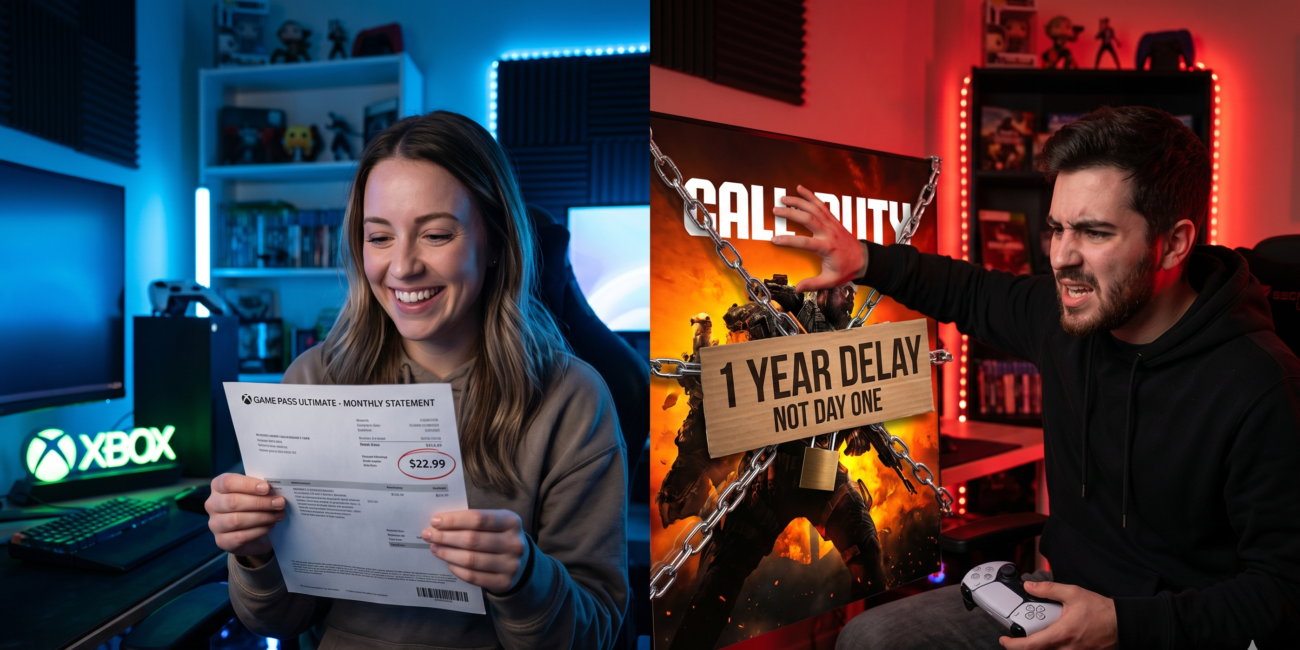
For the better part of the last two years, the narrative surrounding Xbox Game Pass has been one of rising costs and diminishing perceived value. As the price of the Ultimate tier crept toward the thirty-dollar mark, a growing segment of the gaming population began to question the long-term viability of the “Netflix for Games” model. Microsoft’s response to this stagnation is a dramatic price cut that seeks to lower the barrier to entry for millions of potential users. The decision to drop the price of Game Pass Ultimate from $29.99 to $22.99 per month represents more than just a promotional discount; it is a fundamental reassessment of the service’s market position. By reducing the annual cost by nearly eighty-four dollars, Microsoft is clearly signaling that it prioritizes a high volume of consistent subscribers over a smaller pool of high-paying enthusiasts.
This pricing adjustment extends beyond the console ecosystem to include PC gamers as well. The reduction of the PC Game Pass from $16.49 to $13.99 reflects a broader corporate strategy to unify the gaming experience across hardware platforms while remaining competitive against rivals like Valve’s Steam and the Epic Games Store. In the hyper-competitive PC market, where digital ownership is still highly valued, the lowered price point makes the subscription model a much more compelling alternative to buying individual titles. It is a clear attempt to reignite growth in a sector where Microsoft has historically struggled to achieve the same level of dominance it enjoys on the Xbox console.
The Internal Realization and the Leaked Memo
The public announcement of these price cuts follows a period of intense internal scrutiny within Microsoft’s gaming division. A leaked internal memorandum recently brought to light by industry insiders paints a picture of a leadership team that was deeply concerned about the service’s trajectory. In the memo, high-ranking executives, including Gaming President Asha Sharma, candidly admitted that the cost of Game Pass had reached a “friction point” that was actively deterring new sign-ups. The document suggested that the brand was beginning to lose its identity as an accessible, value-driven platform, instead becoming a premium service that many casual gamers simply could not justify in their monthly budgets.
The memo further detailed a plateau in subscriber growth that alarmed stakeholders. The internal data indicated that while the service had a high retention rate for its “hardcore” audience, it was failing to capture the broader “middle-class” of gamers who constitute the bulk of the market. This internal admission provided the necessary momentum for the radical pricing shift we are seeing now. It reveals a Microsoft that is willing to be self-critical and responsive to market pressures, even if it means taking a temporary hit to the average revenue per user. The goal, as outlined in the leaked communications, is to re-establish Game Pass as the default choice for anyone picking up a controller or sitting at a gaming rig.
The Call of Duty Conundrum and the End of Day-One Dominance
While the reduction in monthly fees is the headline that many fans are celebrating, it serves as a shroud for a much more significant change to the Game Pass value proposition. For years, Microsoft’s strongest marketing weapon was the “Day One” promise: the guarantee that every game produced by a Microsoft-owned studio would be available to subscribers the moment it hit retail shelves. This policy was the primary justification for the high subscription costs of the past. However, with the acquisition of Activision Blizzard and the integration of the Call of Duty franchise, the math behind the Day One model has changed.
Microsoft has now confirmed that future installments of Call of Duty will no longer be available on Game Pass at launch. Instead, subscribers will face a mandatory twelve-month waiting period before these titles are added to the library. This is a monumental shift in strategy that effectively creates a two-tiered system for gaming content. It forces the most dedicated fans—those who want to participate in the “launch window” hype, the initial competitive seasons, and the cultural conversation surrounding a new release—to purchase the game at its full retail price of seventy dollars. This move is designed to protect the massive retail revenue that a franchise like Call of Duty generates, ensuring that Microsoft can recoup its sixty-nine-billion-dollar investment in Activision Blizzard without relying solely on subscription fees.
Balancing Direct Sales Against Recurring Revenue
The decision to delay Call of Duty on Game Pass highlights the inherent tension in Microsoft’s current business model. On one hand, they need a robust subscription service to keep users locked into the Xbox ecosystem. On the other hand, they own some of the best-selling individual products in entertainment history, and giving those products away for “free” inside a subscription represents a massive opportunity cost. By implementing a one-year delay, Microsoft is essentially creating a “windowing” strategy similar to the one used by the film industry, where movies move from theaters to digital rental and finally to streaming services.
This strategy suggests that Microsoft no longer views Game Pass as a replacement for traditional retail, but as a secondary revenue stream and a long-tail library. They are betting that the average consumer will appreciate the lower monthly cost enough to forgive the lack of day-one access to the biggest blockbusters. Meanwhile, they are counting on the fact that the “whales” of the gaming world—the millions of people who buy Call of Duty every single year without fail—will continue to do so regardless of their subscription status. It is a calculated gamble that seeks to extract maximum value from both the casual subscriber and the hardcore purchaser.
The Long-Term Implications for the Gaming Industry
Microsoft’s pivot marks a potential end to the “growth at all costs” era of gaming subscriptions. For years, the industry watched as Microsoft burned through capital to acquire studios and offer incredible deals to build its subscriber base. The current price cut, paired with the content restrictions, suggests that the company is moving into a “maturity” phase where profitability and sustainable revenue take center stage. This could signal a broader trend across the industry, where other services like PlayStation Plus or Ubisoft+ may also begin to experiment with windowing their biggest titles to protect retail sales.
As we look toward the future, the “Great Xbox Pivot” will likely be remembered as the moment the industry realized that even the largest tech companies cannot ignore the traditional laws of retail economics. For gamers, the message is clear: the age of the all-inclusive, day-one buffet is evolving into a more structured, tiered experience. While the lower monthly cost makes the entrance fee cheaper, the most coveted seats at the table will now require a separate ticket. Microsoft has successfully lowered the price of the service, but in doing so, they have also redefined what that service actually represents. The coming months will determine if the community accepts this new bargain or if the loss of “Day One” prestige will lead to a different kind of subscription fatigue.