




Microsoft Raises Xbox Console Prices Worldwide as Soaring Component Costs Reshape the Gaming Industry
Rising Memory and Storage Costs Driven by the AI Boom Force Microsoft to Increase Xbox Prices Across Global Markets
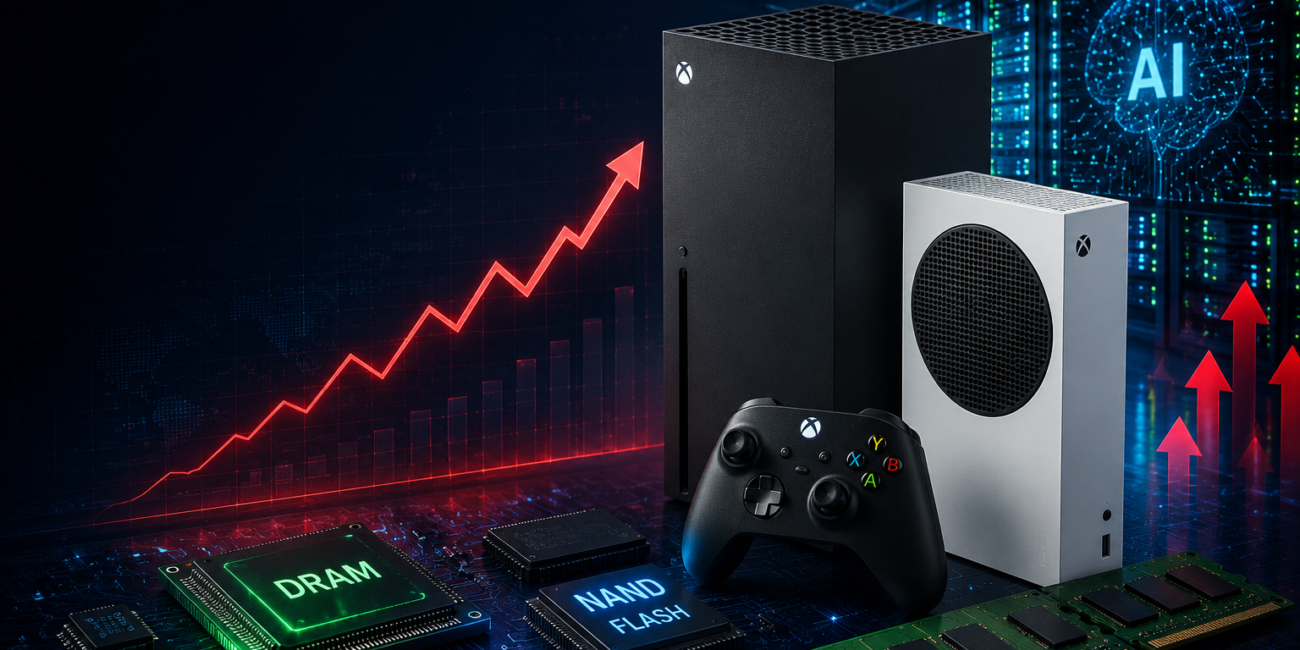
Microsoft has announced a worldwide increase in Xbox console prices, becoming the latest technology giant to pass rising manufacturing costs on to consumers. The company says the decision comes as the cost of essential hardware components, particularly memory and storage chips, continues to climb amid unprecedented demand fueled by the rapid expansion of artificial intelligence infrastructure.
The price adjustment reflects a broader transformation taking place across the technology industry. As companies invest billions of dollars in AI-powered data centers and high-performance computing systems, the demand for advanced semiconductor components has reached record levels. This shift is not only changing how technology is developed but also influencing the prices consumers pay for gaming consoles, computers, and other electronic devices.
Microsoft’s latest move signals that the gaming industry is no longer isolated from the supply chain pressures affecting the broader technology market. Analysts believe the decision could mark the beginning of a new pricing trend for gaming hardware if component shortages continue over the coming years.
Xbox Consoles Become More Expensive Worldwide
Under the revised pricing structure, Microsoft has increased the retail prices of several Xbox console models across multiple international markets. The company explained that the decision was made after carefully evaluating rising production costs and the long-term sustainability of its gaming hardware business.
Different Xbox models have received different price increases based on storage capacity and hardware configuration. Higher-capacity versions have experienced the largest adjustments because they require more expensive memory and storage components. Microsoft also confirmed that one of its premium console variants will no longer be part of its product lineup, allowing the company to simplify production while focusing on models with stronger consumer demand.
The updated prices will take effect globally, meaning customers in North America, Europe, Asia, and other regions can expect to pay more for new Xbox consoles beginning later this year.
Artificial Intelligence Is Driving a Global Component Shortage
The biggest factor behind Microsoft’s pricing decision is the extraordinary growth of artificial intelligence. Technology companies around the world are investing heavily in AI infrastructure capable of training and running increasingly sophisticated machine learning models.
Modern AI systems require enormous computing resources supported by advanced memory technologies such as DRAM, NAND flash storage, and high-bandwidth memory. Every large-scale AI server contains significantly more memory than traditional computing systems, creating unprecedented demand for semiconductor manufacturers.
As a result, chipmakers are allocating a larger share of their production capacity toward AI-related components because they generate higher profit margins. While this benefits the rapidly growing AI industry, it also reduces the supply available for consumer electronics, including gaming consoles.
The imbalance between supply and demand has pushed component prices sharply higher, forcing hardware manufacturers to reconsider long-standing pricing strategies.
Gaming Consoles Face Unique Financial Challenges
Unlike many premium consumer electronics, gaming consoles have traditionally been sold with relatively small profit margins. Console manufacturers often prioritize expanding their user base, expecting to generate long-term revenue through digital game sales, subscription services, downloadable content, and accessories rather than hardware alone.
This business model makes gaming consoles especially vulnerable when manufacturing costs increase significantly. Unlike smartphones or premium laptops, where companies may have greater pricing flexibility, console makers have limited room to absorb rising component costs without affecting profitability.
Microsoft’s latest decision reflects these economic realities. As memory and storage prices continue climbing, maintaining previous Xbox pricing would place increasing financial pressure on the company’s gaming hardware division.
Memory Prices Continue to Climb
Industry analysts report that memory chip prices have risen dramatically over the past year due to expanding AI infrastructure investments. Manufacturers producing DRAM and NAND flash components are struggling to meet demand from cloud computing companies building massive AI data centers.
These facilities require thousands of graphics processors working together, each supported by substantial amounts of high-performance memory. The resulting demand has transformed the semiconductor industry, making memory one of the most valuable and heavily sought-after hardware components.
Microsoft indicated that storage and memory costs have increased multiple times compared with previous years. Some analysts believe prices could continue rising if production capacity fails to keep pace with global AI investment.
This trend is affecting nearly every company that manufactures electronic devices, from laptop makers to smartphone producers and gaming console manufacturers.
Microsoft Introduces More Flexible Purchase Options
Recognizing that higher hardware prices may discourage some customers, Microsoft is expanding financing and affordability programs for Xbox buyers. The company plans to offer more flexible payment options in several markets, allowing customers to spread the cost of purchasing a console over a longer period.
Microsoft is also increasing support for certified refurbished Xbox consoles, giving budget-conscious gamers another opportunity to enter the Xbox ecosystem at a lower price point. These initiatives are intended to reduce the immediate financial impact of higher retail prices while maintaining strong demand for the company’s gaming platform.
Industry observers believe financing programs could become increasingly important if electronics prices continue rising across multiple product categories.
The Entire Technology Industry Is Feeling the Pressure
Microsoft’s announcement follows similar pricing actions by other major technology companies facing higher semiconductor costs. Hardware manufacturers across different industries are dealing with the same supply chain challenges created by booming AI demand.
Recent months have seen several companies adjust prices for computers, tablets, and other consumer electronics as production expenses continue increasing. The common factor behind many of these decisions is the growing competition for memory and storage components.
As AI adoption accelerates globally, semiconductor manufacturers are prioritizing products designed for enterprise AI servers, leaving fewer resources available for traditional consumer devices. This shift is expected to influence hardware pricing well beyond the gaming industry.
What the Price Increase Means for Gamers
For consumers, Microsoft’s decision means purchasing a new Xbox console will require a larger investment than before. While many dedicated gamers may still choose to upgrade, higher prices could encourage others to delay purchases or explore alternative gaming options.
Some buyers may turn toward refurbished consoles or previous-generation hardware, while others may wait for seasonal promotions or bundled offers that provide better overall value. Subscription services such as Xbox Game Pass may also become more attractive as players seek affordable ways to expand their gaming libraries without purchasing additional hardware.
Despite the price increases, Microsoft’s gaming ecosystem remains one of the strongest in the industry, supported by exclusive game franchises, cloud gaming services, and cross-platform integration across consoles and Windows PCs.
The AI Revolution Is Changing Consumer Electronics
The latest Xbox price increase demonstrates that artificial intelligence is influencing far more than software development. While AI-powered assistants, image generators, and productivity tools have captured public attention, the hardware required to power these technologies is creating ripple effects throughout the global economy.
Every new AI data center requires enormous quantities of advanced semiconductors, placing unprecedented pressure on supply chains that also serve consumer electronics manufacturers. As long as AI investment continues accelerating, competition for these components is likely to remain intense.
Consumers may increasingly notice the impact through higher prices for laptops, tablets, gaming consoles, and other connected devices that rely on the same underlying technologies.
Outlook for the Gaming Market
Microsoft’s decision to increase Xbox prices highlights the changing economics of modern hardware manufacturing. What began as a rapid expansion of artificial intelligence infrastructure has evolved into a challenge affecting nearly every segment of the technology industry.
If semiconductor manufacturers can successfully expand production capacity over the coming years, memory prices may eventually stabilize, allowing hardware companies to regain greater pricing flexibility. However, if AI demand continues growing faster than supply, consumers could experience additional price increases across multiple categories of electronics.
For the gaming industry, Microsoft’s latest announcement represents more than a routine pricing adjustment. It reflects a broader shift in which global technology trends, semiconductor supply chains, and artificial intelligence are becoming increasingly interconnected. As AI continues transforming the digital world, its influence is now reaching store shelves, shaping the cost of entertainment technology used by millions of gamers around the globe.