



The Evolving Landscape of Xbox Game Pass
Introduction: A Subscription Giant at a Turning Point
Over the past decade, Microsoft has reshaped the gaming industry through its ambitious subscription service, Xbox Game Pass. Often described as the “Netflix of gaming,” the platform has provided players with access to hundreds of titles for a monthly fee, fundamentally altering how games are consumed. However, recent developments suggest that Game Pass is entering a new phase—one marked by pricing debates, evolving release strategies, and growing scrutiny from both industry insiders and players.
As of 2026, Xbox Game Pass remains one of the most influential forces in gaming, yet its future direction appears more complex than ever. From major new game additions to concerns about sustainability, the latest news reveals a service that is adapting to both success and pressure.
The Promise of Game Pass and Its Early Success
When Microsoft first introduced Xbox Game Pass in 2017, the concept was revolutionary. Instead of purchasing individual titles at full price, players could subscribe and instantly access a rotating library of games. This included not only older titles but also major first-party releases on launch day, a strategy that distinguished Game Pass from competitors.
This “day-one release” model became central to Game Pass’s identity. Blockbuster titles from Xbox Game Studios were made available immediately, encouraging millions of players to subscribe. Over time, the service expanded to include third-party games, indie titles, and partnerships with publishers like EA through EA Play integration.
The result was rapid growth. Game Pass became a cornerstone of Microsoft’s gaming ecosystem, spanning consoles, PC, and cloud gaming. For many players, it offered unmatched value, especially in regions where buying full-priced games frequently was not feasible.
Recent Game Additions and Content Expansion
In 2026, Xbox Game Pass continues to deliver a steady stream of new content, reinforcing its reputation as a content-rich platform. Recent months have seen a mix of blockbuster titles, remastered classics, and innovative indie games joining the service.
Among the notable additions are sports titles like NHL 26 and highly anticipated releases such as remastered editions of beloved classics. The inclusion of games from major franchises, including entries connected to Call of Duty, highlights Microsoft’s continued push to strengthen its catalog following its high-profile acquisition of Activision Blizzard.
Additionally, Game Pass has maintained its support for indie developers, offering smaller studios a platform to reach global audiences. This balance between AAA titles and indie experiences has been key to the service’s appeal, ensuring that players with diverse tastes find something engaging.
However, while the content pipeline remains strong, the way these games are delivered—and at what cost—is becoming a central topic of discussion.
Pricing Controversy and Player Backlash
One of the most significant recent developments surrounding Xbox Game Pass is the growing concern over pricing. Reports indicate that Microsoft is reassessing its subscription model after internal discussions suggested that the service may have become too expensive for some users.
The price of higher-tier subscriptions, particularly Game Pass Ultimate, has increased in several markets. While the service still offers considerable value in terms of content, some players feel that the rising cost undermines its original appeal as an affordable gaming solution.
This shift reflects a broader challenge faced by subscription services across industries. As platforms expand their offerings and invest heavily in content acquisition, maintaining profitability often requires price adjustments. For Game Pass, this balancing act is especially delicate because its success has been built on accessibility and perceived value.
Microsoft is reportedly exploring new pricing tiers and alternative subscription structures. These could include more flexible plans tailored to different types of players, such as those who prefer access to a smaller library at a lower cost or those who want premium features like cloud gaming and day-one releases.
The Day-One Release Strategy Under Review
Perhaps the most consequential shift in Xbox Game Pass strategy involves its approach to day-one releases. For years, Microsoft has promoted the idea that major titles would launch on Game Pass the same day they became available for purchase. This strategy was a key differentiator and a major incentive for subscribers.
However, recent reports suggest that this model may not apply universally going forward. In particular, there is speculation that future entries in the Call of Duty franchise may not be released on Game Pass on day one.
The reasoning behind this potential change is largely financial. Blockbuster games like Call of Duty generate enormous revenue through direct sales, especially during their initial launch period. Making such titles immediately available on a subscription service could reduce these sales, impacting overall profitability.
This does not necessarily mean that Microsoft is abandoning day-one releases entirely. Instead, it may adopt a more selective approach, reserving the strategy for certain titles while allowing others to follow a traditional sales model before eventually joining Game Pass.
If implemented, this shift would mark a significant evolution in how the service operates and could redefine expectations among subscribers.
Industry Reactions and Growing Criticism
As Xbox Game Pass continues to evolve, it has attracted increasing attention from industry veterans and analysts. Some have praised its innovation and impact, while others have raised concerns about its long-term sustainability.
Critics argue that subscription models like Game Pass could disrupt traditional revenue streams, particularly for developers who rely on game sales. There are also questions about whether such services can remain profitable while consistently delivering high-quality content.
Former industry executives have suggested that the economics of Game Pass may be challenging to sustain over time, especially as development costs for AAA games continue to rise. These concerns are not unique to Microsoft; they reflect broader debates about the future of gaming as a service-based industry.
At the same time, supporters of Game Pass point to its ability to expand access to gaming and provide opportunities for smaller developers. By lowering the barrier to entry for players, the service has introduced millions of users to games they might not have otherwise tried.
The Role of Cloud Gaming and Accessibility
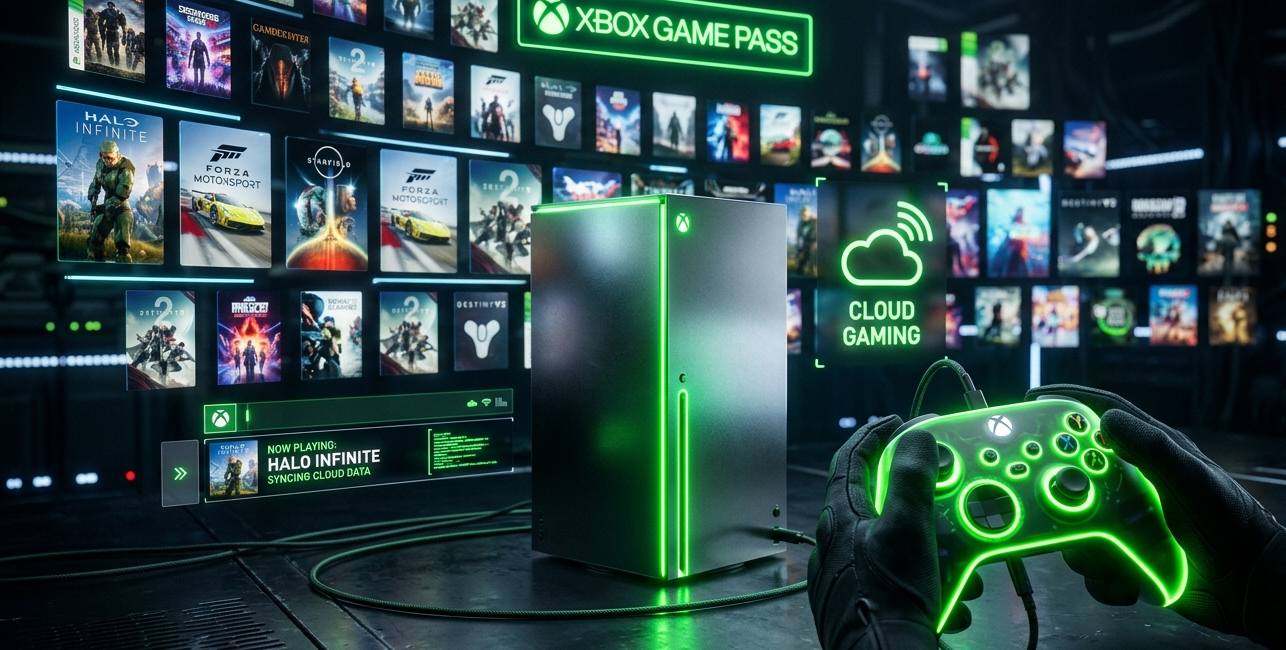
Another important aspect of Xbox Game Pass’s evolution is its integration with cloud gaming. Through Xbox Cloud Gaming, subscribers can play titles on a wide range of devices, including smartphones and low-powered PCs, without the need for expensive hardware.
This feature has been particularly impactful in regions where gaming consoles are less accessible. By leveraging cloud technology, Microsoft has extended the reach of Game Pass beyond traditional gaming markets.
However, cloud gaming also presents challenges, including the need for stable internet connections and infrastructure improvements. As Microsoft continues to invest in this area, it aims to position Game Pass as a truly global platform.
Competition in the Subscription Space
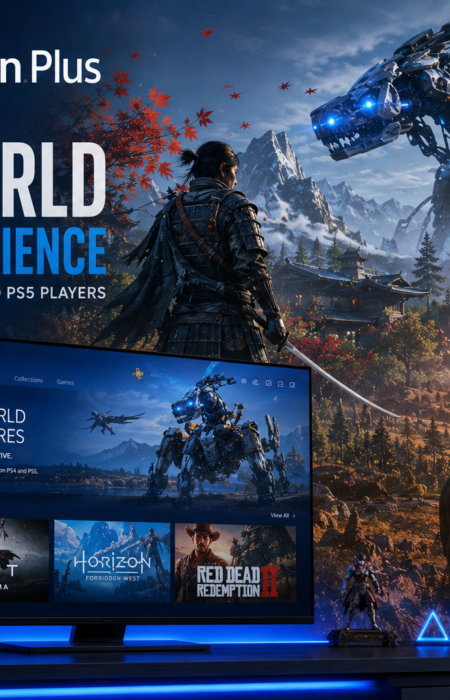
Xbox Game Pass does not operate in isolation. Competitors such as Sony’s PlayStation Plus and emerging cloud-based platforms are also vying for players’ attention. Each service offers its own approach to subscriptions, with varying libraries, pricing models, and features.
What sets Game Pass apart is its emphasis on first-party content and day-one availability, though this advantage may evolve as Microsoft refines its strategy. The competitive landscape is pushing all players in the industry to innovate, ultimately benefiting consumers.
The Future of Game Pass: Evolution Rather Than Decline
Despite the challenges and criticisms, Xbox Game Pass remains a powerful force in the gaming industry. The recent changes and discussions surrounding pricing, content delivery, and strategy do not संकेत a decline but rather an adaptation to new realities.
Microsoft appears to be moving toward a more nuanced approach, balancing accessibility with profitability. This could involve introducing new subscription tiers, adjusting release strategies, and continuing to expand its library with both blockbuster and indie titles.
For players, the future of Game Pass will likely bring both opportunities and trade-offs. While some benefits may change, the core idea of a subscription-based gaming library is expected to remain central to Microsoft’s vision.
Conclusion: A Defining Moment for Subscription Gaming
Xbox Game Pass stands at a critical juncture. Its success has reshaped the gaming industry, but that success has also introduced new challenges. As Microsoft navigates pricing concerns, strategic shifts, and industry scrutiny, the service is entering a phase of transformation.
The latest news highlights a platform that is not static but constantly evolving. Whether through changes in day-one releases, new pricing models, or expanded content offerings, Game Pass is adapting to meet the demands of a rapidly changing industry.
Ultimately, the story of Xbox Game Pass is far from over. As it continues to grow and evolve, it will play a central role in defining the future of gaming—one subscription at a time.