

The Apple Succession: John Ternus and the Vision for the AI Era
The landscape of global technology underwent a seismic shift on April 20, 2026, as Apple officially announced that Tim Cook will step down as Chief Executive Officer on September 1, 2026. This transition marks the end of an era that saw Apple grow into a $4 trillion behemoth and the beginning of a new chapter led by John Ternus, the company’s long-standing Senior Vice President of Hardware Engineering. The appointment of Ternus is not merely a change in personnel but a strategic declaration of Apple’s future. By elevating a hardware visionary to the top post, the board is betting that the next decade of computing will be won through the deep integration of custom silicon and on-device artificial intelligence. As Tim Cook moves into the role of Executive Chairman to focus on global policy and corporate governance, Ternus inherits a company at a critical crossroads, facing intense pressure to bridge the gap in the generative AI race while navigating unprecedented supply chain hurdles and hardware delays.
The choice of John Ternus as the successor to Tim Cook reflects a return to the “product-first” philosophy that defined Apple’s earliest successes. Unlike Cook, who rose through the ranks as an operational and supply chain maestro, Ternus is an engineer at his core. Since joining Apple in 2001, he has been a central figure in the development of almost every iconic product of the modern era, from the iPad and AirPods to the transition of the Mac to Apple Silicon. His recent oversight of the industrial design team, the legendary department once helmed by Jony Ive, further solidified his status as the most powerful product executive within the company. This technical background is viewed by analysts as a vital asset as Apple prepares to launch its next generation of hardware, including the highly anticipated “iPhone Fold” and more advanced iterations of the Vision Pro spatial computer.
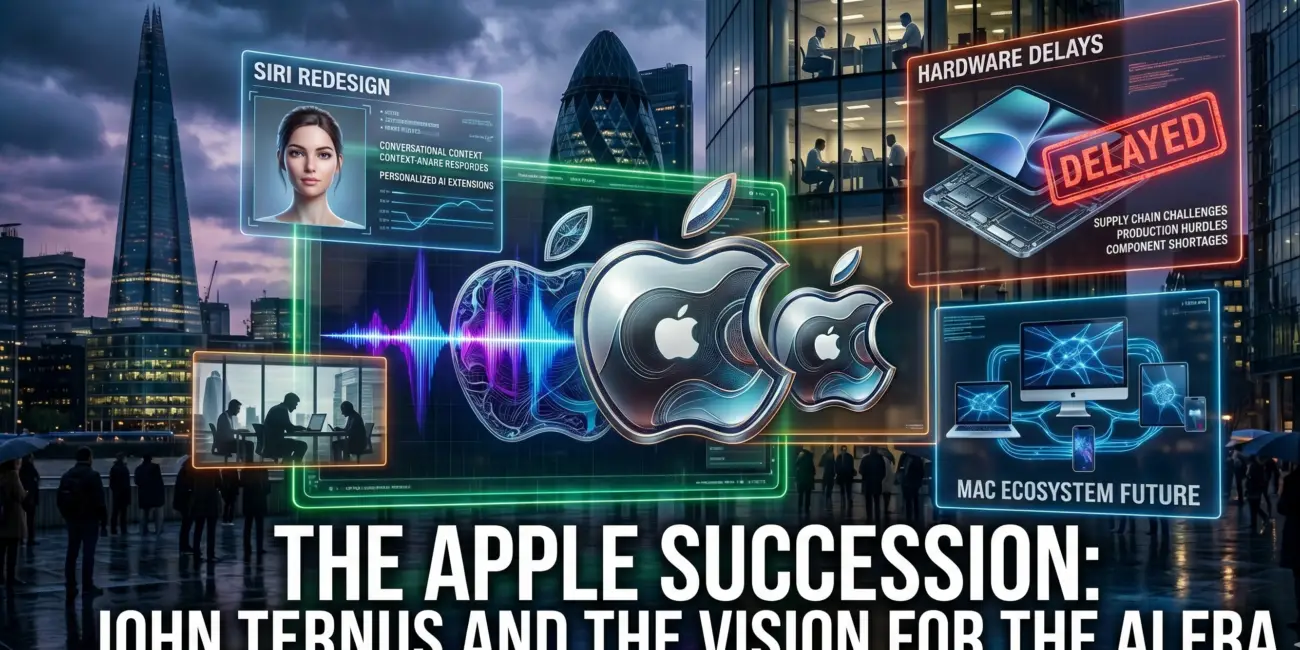
However, the most immediate challenge facing Ternus is Apple’s current position in the artificial intelligence market. While competitors like Google, Microsoft, and OpenAI have dominated headlines with massive large language models, Apple has pursued a more conservative strategy centered on “Apple Intelligence.” This approach prioritizes user privacy and on-device processing over cloud-based computing. The upcoming iOS 27 release is expected to be the true test of this philosophy. Rumors suggest that iOS 27 will introduce a completely redesigned Siri, moving away from a simple voice assistant toward a comprehensive AI hub. This new Siri is expected to feature “Extensions,” a marketplace that allows users to integrate third-party AI chatbots directly into the operating system. This move would allow Apple to maintain control over the user experience while leveraging the rapid innovations occurring in the broader AI community.
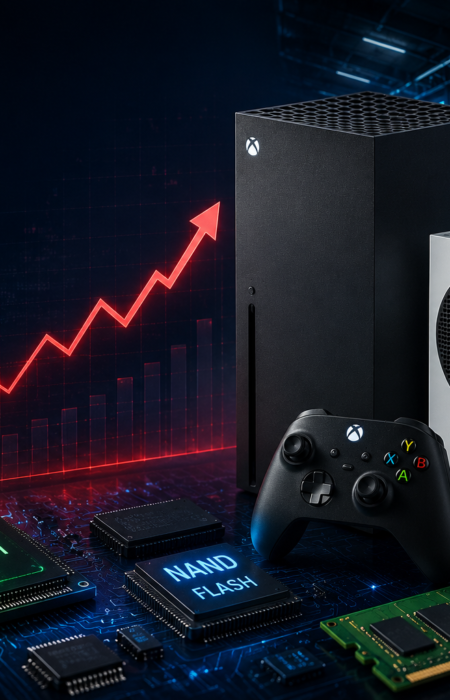
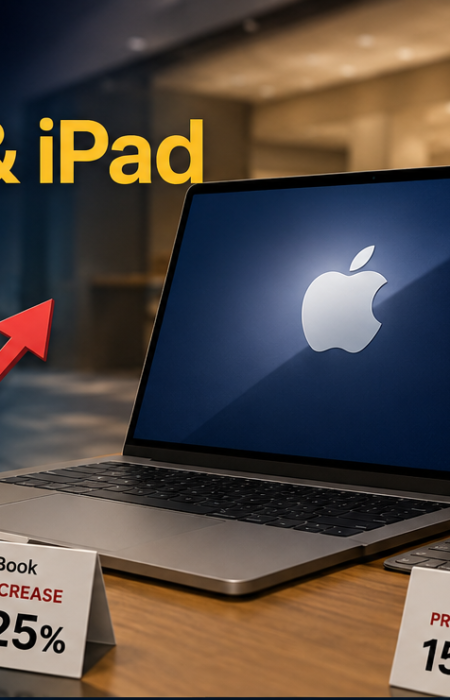
Despite the excitement surrounding software updates, Apple’s hardware roadmap is currently being tested by global economic realities. Internal reports indicate that several key product launches originally slated for late 2026 have been pushed back into 2027. The primary culprit is an industry-wide shortage of high-speed DRAM and NAND flash memory, driven largely by the insatiable demand from AI data centers. This shortage has forced Apple to delay the redesigned M6 MacBook Pro, which was expected to feature the company’s first-ever touchscreen and an OLED display. Additionally, the refreshed Mac Studio, which power users have been waiting for, has reportedly slipped to an October 2026 release at the earliest. For Ternus, managing these delays without losing market momentum will be a defining test of his leadership. The strategy appears to be a staggered release, keeping current M5 models relevant longer while ensuring that when the M6 lineup does arrive, it can meet the high expectations of the professional market.
The transition also signals a shift in Apple’s internal power dynamics. Along with Ternus’s promotion, Johny Srouji has been named Chief Hardware Officer, and Tom Merieb has taken over the hardware engineering group. This restructuring is designed to streamline the pipeline between silicon design and physical product development. The goal is to ensure that future Apple chips are built specifically to handle the massive computational loads required by advanced AI features without sacrificing battery life or thermal efficiency. This focus on “hardware defensibility” is intended to make Apple’s ecosystem even harder to replicate. While services have been a massive growth engine under Tim Cook, the board clearly believes that Apple’s long-term competitive advantage remains its ability to design and manufacture the world’s most sophisticated consumer electronics.
As John Ternus prepares to take the stage at WWDC 2026 this June, the tech industry will be watching for signs of his specific influence. While he is expected to maintain the culture of secrecy and excellence that Cook and Jobs established, his focus is likely to be more granular. The shift toward a “Snow Leopard-style” refinement year for iOS 27 suggests a move toward stability and performance optimization—qualities that an engineer CEO would naturally prioritize. This approach may also involve making difficult decisions about older hardware support; leaks suggest that iOS 27 may drop support for the iPhone 11 series and the second-generation iPhone SE to ensure the new AI features run smoothly on newer A-series chips.
Ultimately, the Ternus era will be measured by whether Apple can reclaim its status as the world’s primary innovator. Tim Cook’s legacy is one of unparalleled financial success and operational perfection, but the “next big thing” has remained somewhat elusive since the Apple Watch. With Ternus at the helm, the company is looking to spatial computing and integrated AI to define the next fifty years. The road ahead is fraught with geopolitical tensions in manufacturing hubs and aggressive competition from Silicon Valley rivals, but Apple is betting that a hardware guru with 25 years of experience is exactly the leader needed to turn these challenges into the next revolution in personal technology. As the company approaches its 50th anniversary in 2026, the handover from Cook to Ternus represents a calculated evolution—one that respects the past while aggressively building toward a future where the digital and physical worlds are more seamlessly connected than ever before.