




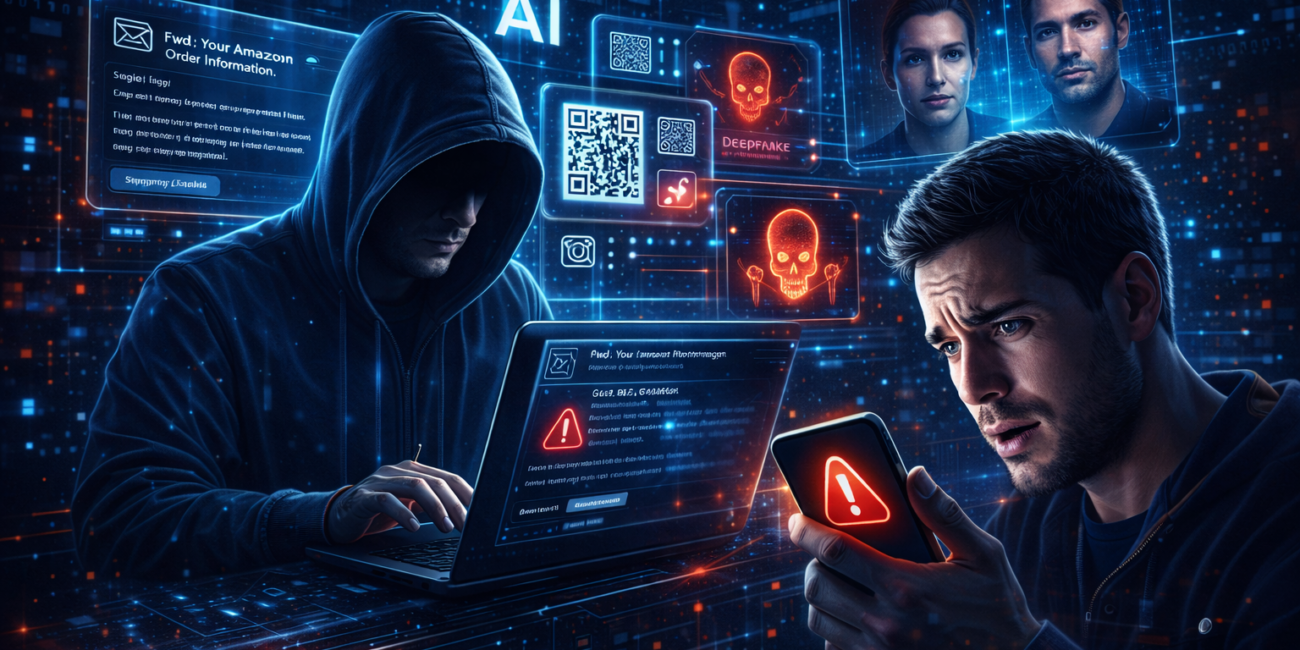
Phishing Scams in 2026: Real Examples You Must Know
Introduction
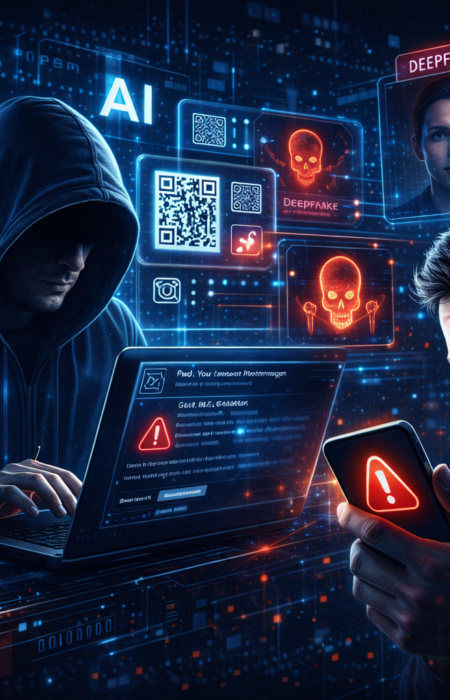
In 2026, phishing scams have reached a level of sophistication that makes them one of the most dangerous cybersecurity threats worldwide. No longer limited to poorly written emails or obvious fraud attempts, phishing today leverages artificial intelligence, deepfake technology, and vast amounts of leaked personal data to create highly convincing attacks. These scams are designed to manipulate human psychology as much as they exploit technological vulnerabilities.
As individuals and businesses rely more heavily on digital platforms—online banking, remote work tools, social media, and cloud services—the attack surface for cybercriminals continues to expand. Phishing has become the entry point for many large-scale cyber incidents, including identity theft, financial fraud, and corporate data breaches.
This comprehensive guide explores real phishing examples from 2026, explains how these scams work, and provides practical steps to protect yourself. Whether you are a student, working professional, or business owner, understanding these evolving threats is essential to staying safe online.
What Is Phishing?
Phishing is a type of cyberattack in which attackers impersonate trusted individuals, organizations, or institutions to trick victims into revealing sensitive information. This information may include passwords, banking credentials, credit card numbers, or personal identification data.
In 2026, phishing has expanded far beyond email. It now includes:
- Email phishing (traditional method)
- SMS phishing (smishing)
- Voice phishing (vishing)
- Social media phishing
- QR code phishing (quishing)
- Deepfake-based impersonation
Attackers often combine multiple methods to increase their chances of success. For example, a victim may receive an email followed by a phone call to reinforce credibility.
Why Phishing Scams Are More Dangerous in 2026
Phishing attacks have evolved due to several technological and social factors:
1. AI-Generated Content
Cybercriminals now use AI tools to craft messages that are grammatically perfect, context-aware, and personalized. These messages mimic real communication styles, making them difficult to detect.
2. Deepfake Technology
Voice and video deepfakes allow attackers to impersonate executives, family members, or colleagues convincingly. This has led to a surge in high-value fraud cases.
3. Data Breaches and Personalization
With massive data leaks available on the dark web, attackers can tailor messages using real names, job titles, recent activities, and even transaction details.
4. Multi-Channel Attacks
Phishing is no longer isolated to one platform. Attackers use a combination of email, SMS, calls, and social media to create a sense of urgency and authenticity.
5. Increased Digital Dependency
As more services move online, users are required to manage multiple accounts, making it easier for attackers to exploit confusion or fatigue.
Real Phishing Scams in 2026
Understanding real-world examples helps you recognize threats before they cause damage.
1. AI Voice Clone Bank Scam
A victim receives a phone call that sounds exactly like a bank representative. The caller informs them of a suspicious transaction and asks for verification through an OTP (One-Time Password). The victim, believing the call is legitimate, shares the OTP—unknowingly granting access to their bank account.
How it works:
Attackers use AI voice cloning tools trained on publicly available audio samples. These tools replicate tone, accent, and speech patterns with high accuracy.
Impact:
Victims can lose their entire bank balance within minutes.
Key takeaway:
Banks never ask for OTPs or passwords over phone calls.
2. Fake Job Offer via Professional Networks
A job seeker receives a message from a recruiter offering a lucrative remote position. The recruiter sends a document labeled “assignment” or “offer letter.” When opened, the file installs malware that steals login credentials.
How it works:
Attackers create fake profiles that closely resemble legitimate recruiters or companies. They may even copy logos, employee names, and company descriptions.
Impact:
Victims may lose access to email accounts, financial platforms, or even corporate systems.
Key takeaway:
Always verify job offers through official company websites before downloading files.
3. Deepfake CEO Fraud
An employee joins a video call where their “CEO” instructs them to urgently transfer funds for a confidential deal. The video and voice appear authentic, leaving little room for doubt.
How it works:
Deepfake technology generates realistic video and audio in real time, often using publicly available footage of executives.
Impact:
Companies have reported losses in millions due to such scams.
Key takeaway:
Always confirm financial requests through multiple communication channels.
4. QR Code Phishing (Quishing)
A QR code is placed on posters, emails, or restaurant tables. When scanned, it redirects users to a fake website that mimics a trusted service, prompting them to log in.
How it works:
QR codes hide the actual URL, making it difficult for users to verify authenticity before opening the link.
Impact:
Login credentials are stolen instantly.
Key takeaway:
Avoid scanning QR codes from unknown or unverified sources.
5. Subscription Renewal Scam
Users receive emails stating that their subscription (streaming service, antivirus, or cloud storage) is about to expire. The email includes a payment link leading to a fake website.
How it works:
The fake website closely resembles the original, including logos, layout, and domain names with minor variations.
Impact:
Credit card details and personal data are stolen.
Key takeaway:
Always visit official websites directly instead of clicking on email links.
6. Social Media Account Recovery Scam
Victims receive messages claiming their account has been compromised and must be verified immediately. The link provided leads to a fake login page.
Impact:
Attackers gain control of social media accounts and use them to scam others.
7. WhatsApp Family Emergency Scam
A message appears from an unknown number claiming to be a family member in urgent need of money. The attacker creates emotional pressure to bypass logical thinking.
Impact:
Victims transfer money without verifying the identity.
Common Signs of Phishing
Even the most advanced phishing attempts often contain subtle warning signs:
- Urgent or threatening language
- Requests for sensitive information
- Slight misspellings in URLs
- Unexpected attachments
- Generic greetings instead of personalized names
- Requests that seem unusual or out of context
Recognizing these signs can prevent most phishing attempts.
Step-by-Step Guide to Protect Yourself
Step 1: Think Before You Click
Always pause and analyze messages before clicking links or downloading files.
Step 2: Verify the Source
Contact the organization directly using official channels.
Step 3: Check URLs Carefully
Look for HTTPS and ensure the domain name is correct.
Step 4: Enable Multi-Factor Authentication
This adds an extra layer of security beyond passwords.
Step 5: Use Strong Passwords
Avoid reusing passwords across multiple platforms.
Step 6: Keep Software Updated
Regular updates patch security vulnerabilities.
Step 7: Install Security Tools
Use antivirus and anti-phishing software to detect threats.
Step 8: Educate Yourself Regularly
Cyber threats evolve constantly, so staying informed is essential.
Phishing Target Groups in 2026
Phishing is no longer random—it is highly targeted:
- Individuals: Banking, social media, and personal data
- Students: Scholarship scams and fake job offers
- Professionals: Corporate credential theft
- Businesses: Financial fraud and data breaches
Attackers choose targets based on potential financial or informational gain.
Role of AI in Phishing and Cybersecurity
AI in Phishing
- Generates realistic emails and messages
- Creates deepfake voices and videos
- Automates large-scale attacks
AI in Defense
- Detects unusual login behavior
- Flags suspicious emails
- Prevents unauthorized access
The cybersecurity landscape is now a constant battle between offensive and defensive AI systems.
What to Do If You Become a Victim
If you suspect you have been targeted or compromised:
- Change your passwords immediately
- Enable multi-factor authentication
- Contact your bank or service provider
- Report the incident to cybersecurity authorities
- Scan your device for malware
Quick action can significantly reduce damage.
Future of Phishing
Phishing scams are expected to become even more advanced with developments in AI, augmented reality, and automation. Attackers may use real-time data, behavioral analysis, and immersive technologies to create even more convincing scams.
However, awareness and education will remain the strongest defense.
Conclusion
Phishing scams in 2026 are no longer easy to detect. They are intelligent, personalized, and often indistinguishable from legitimate communication. Real-life examples show that anyone—regardless of technical knowledge—can become a target.
By understanding how these scams work, recognizing warning signs, and following best practices, you can protect yourself and others from falling victim. Cybersecurity is no longer optional—it is a necessity in today’s digital world.

Other Articles