





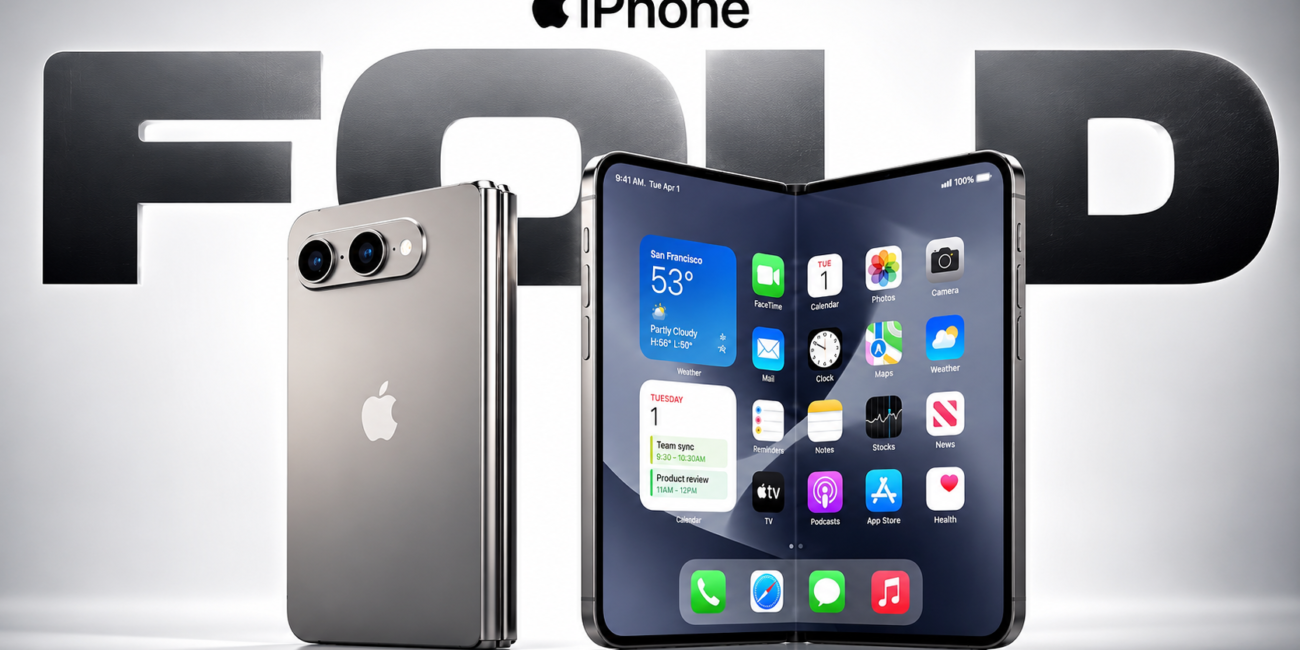
Apple’s Foldable iPhone Could Launch in Just Two Colors as New iPhone Ultra Details Leak Online
Apple’s long-rumored foldable iPhone is once again making headlines after new leaks revealed fresh details about the company’s first foldable smartphone. According to recent reports, Apple may launch the device in only two color options, signaling a premium and highly focused strategy for what could become one of the biggest iPhone releases in years.
The upcoming foldable model, which some reports claim may carry the “iPhone Ultra” branding instead of the traditional iPhone Fold name, is expected to arrive in 2026 as Apple finally enters the foldable smartphone market. While companies like Samsung, Huawei, and Google have already spent years refining foldable devices, Apple appears to be taking a slower approach in an attempt to solve many of the problems that continue to affect foldable phones today.
Industry insiders suggest that Apple’s primary focus is not simply creating another foldable smartphone, but delivering a device that feels polished, durable, and reliable enough to meet the company’s premium standards. The latest leaks indicate that Apple is concentrating heavily on display quality, hinge durability, battery optimization, and repairability before officially launching the product.
One of the most talked-about details from the recent reports is Apple’s alleged decision to release the foldable iPhone in just two colors. While the exact shades have not yet been confirmed, rumors suggest Apple could stick with premium finishes such as black, dark blue, silver, or titanium-inspired tones. This would be a very different approach compared to the colorful launches of standard iPhone models in recent years.
Analysts believe the limited color lineup could help Apple streamline production during the first generation launch while also positioning the foldable iPhone as an exclusive ultra-premium device. Apple has previously used similar strategies for high-end products, including certain Pro and Ultra-branded devices.
The foldable iPhone is rumored to feature a book-style folding design similar to Samsung’s Galaxy Z Fold series. Reports suggest the device may include a smaller outer display for regular smartphone use and a larger internal folding display that opens into a tablet-like experience. The outer screen is expected to measure around 5.3 inches, while the internal foldable display could reach nearly 7.8 inches when fully opened.
One of the biggest engineering challenges Apple is reportedly trying to overcome is the visible crease that appears on many foldable displays currently available on the market. According to supply chain leaks, Apple has spent years working with display partners to reduce or potentially eliminate the crease effect entirely. If successful, this could become one of the foldable iPhone’s biggest selling points and a major advantage over competing devices.
The company is also believed to be developing a highly durable hinge mechanism designed for long-term reliability. Foldable phones often face criticism regarding hinge wear, dust resistance, and screen durability over time. Apple reportedly wants its foldable iPhone to feel as solid and dependable as a traditional iPhone despite its moving parts and flexible display technology.
Another surprising detail from recent leaks is the possibility that Apple could remove Face ID from the foldable model altogether. Reports claim internal space limitations may prevent Apple from fitting the complete Face ID hardware system inside the ultra-thin foldable design. Instead, the company may return to a side-mounted Touch ID sensor integrated into the power button, similar to what Apple currently uses on some iPad models.
This would mark a major shift for Apple’s smartphone lineup, as Face ID has become one of the signature features of modern iPhones since the launch of the iPhone X. However, many users may welcome the return of Touch ID, especially if it improves convenience and helps reduce the overall complexity of the foldable design.
The foldable iPhone is also expected to feature major hardware upgrades that match its premium positioning. Reports suggest Apple may equip the device with its upcoming 2nm A20 chipset, offering significant improvements in both performance and power efficiency. This chip could become one of the most advanced mobile processors ever released, especially when combined with Apple’s tight software optimization.
Leaked specifications further suggest the foldable model may feature 12GB of RAM along with a battery capacity approaching 5,000mAh. Apple is reportedly focusing heavily on battery optimization because foldable devices typically consume more power due to their larger displays and multitasking capabilities.
Camera performance is also expected to remain a major focus. Rumors indicate the device could include dual 48-megapixel rear cameras along with upgraded front-facing sensors for video calls and selfies. While Apple may not include the same number of camera sensors found on Pro Max models, the company is expected to prioritize image quality, video performance, and computational photography features.
Interestingly, reports also claim Apple is trying to make the foldable iPhone one of the most repairable foldable smartphones ever created. Current foldable phones are often criticized for their expensive repair costs and difficult internal designs. Apple may attempt to change this by introducing a more modular display structure that simplifies certain repairs and replacements.
This focus on repairability could help Apple appeal to customers who remain hesitant about foldable devices due to durability concerns. It may also help reduce long-term maintenance costs, which have become a common complaint among foldable smartphone users.
Despite the excitement surrounding the leaks, Apple’s foldable iPhone project has reportedly faced multiple delays during development. Earlier rumors suggested mass production would begin sooner, but engineering challenges related to the display and hinge systems may have pushed the timeline further into 2026.
Even with the delays, industry analysts believe Apple is intentionally waiting until the technology reaches a higher level of maturity before entering the market. Unlike some competitors that rushed early foldable products to consumers, Apple appears focused on avoiding major compromises that could damage the reputation of its first foldable device.
Pricing will likely be another major talking point once the device officially launches. Current estimates suggest the foldable iPhone could start at around $2,000, potentially making it the most expensive mainstream iPhone Apple has ever released. While that price tag may seem extremely high, Apple is reportedly targeting premium users who want both smartphone and tablet functionality in a single device.
The foldable iPhone’s arrival could also significantly reshape the foldable smartphone market itself. Apple has a long history of entering product categories later than competitors but refining the experience enough to attract mainstream consumers. The company followed a similar pattern with smartwatches, tablets, and wireless earbuds before eventually dominating those segments.
Many industry experts believe Apple’s entry into the foldable category could push the entire market forward by increasing consumer awareness and forcing competitors to improve their own products. If Apple succeeds in delivering a foldable phone with better durability, reduced display creasing, and premium software optimization, it could quickly become one of the most desirable smartphones in the world.
For now, Apple has not officially confirmed any details regarding the foldable iPhone project. However, the growing number of leaks and supply chain reports strongly suggest that the company is moving closer to revealing its first foldable device. With expectations continuing to rise, the rumored iPhone Ultra may eventually become one of Apple’s most ambitious and closely watched products of the decade.