



Connectivity Crisis: Verizon Grapples with Major Network Outages Across Key U.S. Metropolitan Hubs
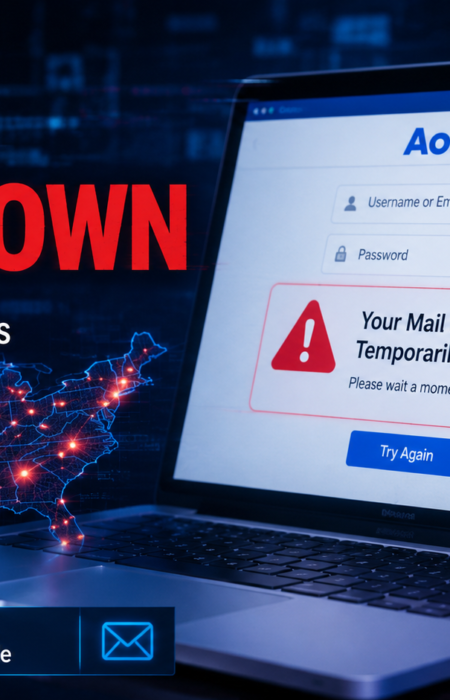
The digital heartbeat of several major American cities skipped a beat early Tuesday morning as Verizon, one of the nation’s largest telecommunications giants, was hit by a significant and sudden service disruption. On May 5, 2026, thousands of residents and commuters found themselves disconnected from the grid, unable to place calls, send text messages, or access mobile data during the critical early morning rush. The outage, which appeared to strike with little warning, has raised fresh questions about the resilience of national cellular infrastructure and the reliance of the modern economy on seamless, uninterrupted connectivity.
A Morning of Digital Silence
For most Americans, the morning routine is dictated by the smartphone. From checking weather updates and traffic reports to scanning work emails before leaving the house, the mobile device is the primary gateway to the world. However, shortly after 7:00 AM ET, that gateway was slammed shut for a significant number of Verizon subscribers. What began as a handful of isolated complaints on social media quickly snowballed into a verified service crisis. According to real-time monitoring data from Downdetector, the volume of reports surged within minutes, peaking at nearly 800 simultaneous complaints as the East Coast began its workday.
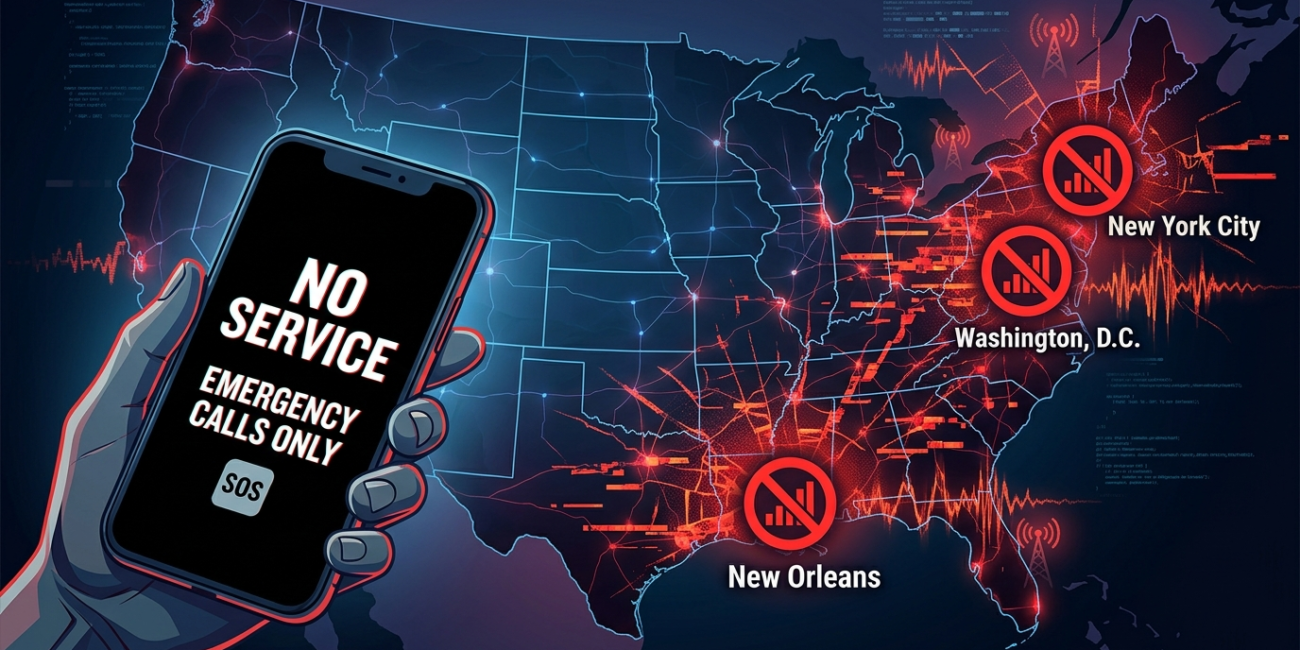
The timing of the outage proved particularly problematic. As professionals attempted to log into corporate networks and parents tried to coordinate school drop-offs, the “No Service” or “SOS” icons began appearing on screens across various states. While localized outages are a common occurrence in the telecom industry, the geographic spread and the timing of this particular incident suggested a more systemic failure within the carrier’s regional architecture.
Mapping the Disruption: New York, D.C., and New Orleans
The impact of the outage was not felt equally across the continental United States. Instead, the service failure followed a distinct pattern, concentrating its effects on some of the country’s most densely populated and economically vital corridors. The heat maps generated by user reports indicated three primary epicenters of the disruption: New York City, Washington, D.C., and New Orleans.
In New York City, the financial and media capital of the world, the outage created an immediate ripple effect. Commuters on the subway and in transit hubs found themselves unable to access navigation apps or contact employers regarding delays. In the nation’s capital, Washington, D.C., the disruption touched the very heart of government operations and logistical networks, highlighting how even a brief lapse in cellular reliability can pose challenges for administrative and security communications. Meanwhile, in New Orleans, the reports were equally dense, suggesting that the issue was not restricted to the Northeast corridor but had significant southern roots as well. The concentration in these specific hubs led many industry analysts to speculate that the issue might be linked to specific regional switching centers or high-traffic data nodes that serve these metropolitan clusters.
The Frustration of the Modern Consumer
As the morning progressed, the frustration among the Verizon user base became palpable. In an era where “always-on” connectivity is no longer a luxury but a fundamental utility, a two-hour window of downtime can feel like an eternity. Deprived of their primary means of communication, thousands of users took to X, formerly Twitter, and other social media platforms to voice their grievances. The hashtag #VerizonDown began to trend as users sought to verify if their individual devices were at fault or if they were part of a larger phenomenon.
The outcry on social media serves as a reminder of the psychological and professional toll of modern network failures. Many users reported being unable to use two-factor authentication services, which are required for logging into secure work accounts, effectively locking them out of their jobs. Others expressed concern over the inability to contact emergency services or family members. For many, the lack of immediate communication from the carrier exacerbated the frustration. In the early stages of a network collapse, customers often find themselves in an information vacuum, unsure of whether to restart their devices, replace SIM cards, or simply wait for a corporate resolution.
Technical Theories and the Path to Recovery
While Verizon has not yet released a detailed forensic analysis of what caused the May 5 disruption, the nature of the outage provides some clues for technical experts. Network outages of this scale usually stem from one of a few common culprits: failed software updates within the core network, hardware malfunctions at major routing facilities, or, in some cases, fiber optic cable cuts that sever the link between regional towers and the broader internet backbone.
Given that the outage was concentrated in specific major cities rather than being a blanket nationwide failure, it is possible that the issue originated in the “edge” of the network—the points where local traffic is aggregated and sent into the main Verizon core. When these regional hubs experience a synchronization error or a hardware surge, the surrounding metropolitan area can go dark even if the rest of the country remains online. Engineers typically respond to such events by rerouting traffic through redundant systems, but this process can take time to stabilize, often resulting in the “intermittent” service that many users reported during the recovery phase.
The Broader Implications for Telecom Reliability
This latest incident is more than just a temporary inconvenience for a few thousand people; it is a case study in the vulnerability of our digital society. As the United States continues its transition to 5G technology and explores the integration of the Internet of Things (IoT) into daily infrastructure, the stakes for network reliability have never been higher. When a carrier like Verizon goes down, it isn’t just personal cell phones that stop working. Connected cars, smart city sensors, and even some emergency medical alert systems rely on the same spectrum.
The May 5 outage will likely prompt renewed discussions regarding the necessity of carrier redundancy for critical workers and the transparency requirements for telecommunications companies. Consumers are increasingly demanding more than just a “fix”; they are demanding real-time communication during the crisis. The delay between the first reports of an outage and an official acknowledgment from a service provider is often the period of greatest dissatisfaction for the public.
Conclusion: Moving Forward from the May 5 Outage
By midday, reports began to indicate that service was slowly being restored to the affected regions. The spikes on Downdetector began to trend downward, and users in New York and D.C. reported that their signals were returning to full strength. However, the “digital hangover” of such an event often lasts much longer than the outage itself. Businesses will have to account for lost productivity, and Verizon’s customer support teams will likely be dealing with a backlog of inquiries for days to come.
As the dust settles, the focus will shift to Verizon’s official statement and any potential compensation for those whose lives and businesses were disrupted. For the average user, this event serves as a stark reminder to perhaps have a backup plan—be it a secondary Wi-Fi connection or a backup SIM—because in the interconnected world of 2026, being “offline” is rarely an option. The May 5 outage was a brief but potent reminder that for all the advancements in 5G and satellite technology, the threads that hold our digital world together can still be surprisingly fragile.