




The End of an Era: Google to Retire the Temperature Sensor with Pixel 11 Pro
The landscape of smartphone hardware is defined by a constant cycle of experimentation, where manufacturers toss unique features at the wall to see what sticks with the digital-native consumer. In a move that signals the end of one of its most peculiar hardware experiments, Google is reportedly set to remove the built-in temperature sensor starting with the Pixel 11 Pro series. This decision, which marks a significant shift in the company’s flagship design philosophy, suggests that the “thermometer phone” era was a short-lived bridge to a different kind of hardware utility. For the past three generations, beginning with the Pixel 8 Pro in 2023, the thermometer was a polarizing hallmark of Google’s Pro-tier devices, but leaked reports now indicate that the upcoming 2026 flagship will pivot toward a new aesthetic and functional feature known as “Pixel Glow”.
A Legacy of Niche Utility and Controversy
When Google first introduced the non-contact infrared thermometer on the Pixel 8 Pro, the tech world was both intrigued and confused. Arriving in a post-pandemic world where temperature checks had become a cultural norm, the hardware seemed like a timely addition. However, its practical application was initially severely limited. For months after its launch, the sensor could only measure the temperature of inanimate objects like coffee mugs or baby bottles because it lacked the necessary regulatory clearances for medical use. This created a disconnect between the hardware’s potential and its actual day-to-day value for the average user.
Eventually, Google secured De Novo clearance from the FDA, allowing the Pixel Thermometer app to measure body temperature with clinical accuracy. This was a massive engineering and regulatory feat, making the Pixel the first smartphone in the United States to offer such a capability. Yet, despite this achievement, the feature struggled to find a permanent home in the daily habits of users. Unlike a camera or a high-refresh-rate display, a thermometer is a tool used primarily during moments of illness or specific household tasks. For many, it remained a “party trick” rather than a pillar of the smartphone experience, leading to its eventual status as a niche luxury rather than a standard necessity.
The Pixel 11 Pro Redesign and the Rise of Pixel Glow
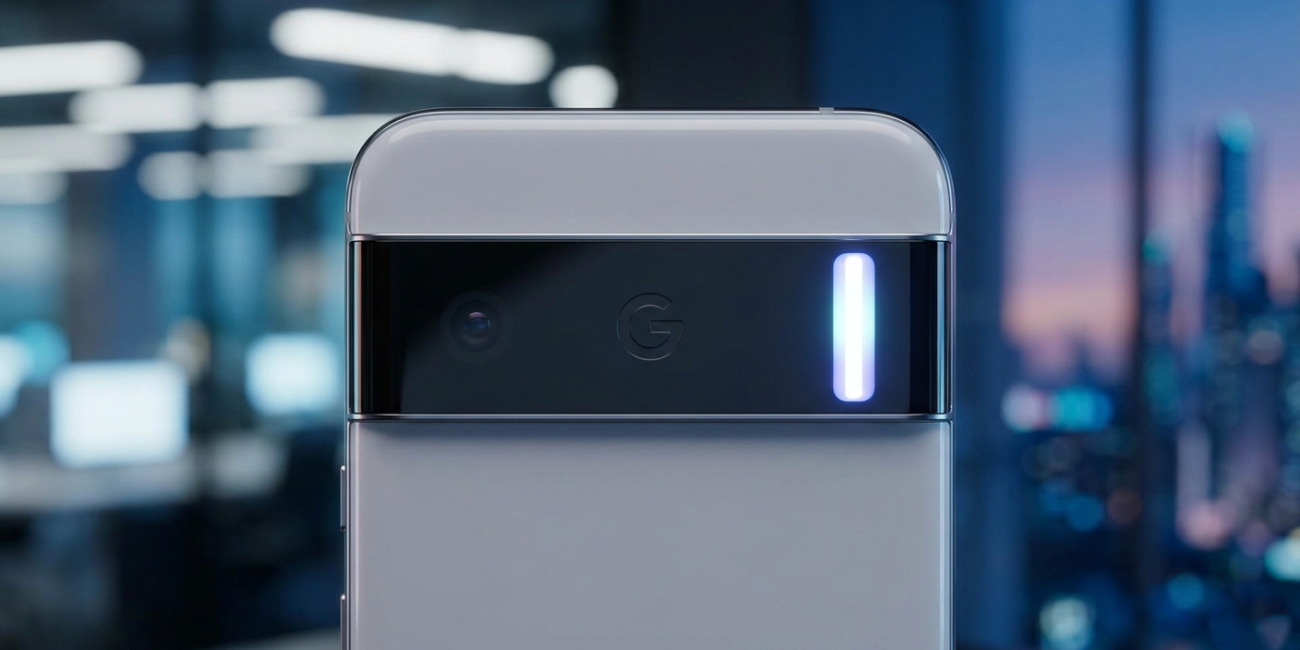
The evidence for the sensor’s removal comes from a combination of leaked CAD renders and supply chain reports regarding the Pixel 11 Pro and Pixel 11 Pro XL. These leaks reveal a redesigned camera bar that simplifies the layout. Where previous “Pro” models featured two distinct cutouts—one for the camera lenses and a smaller secondary one for the sensor—the Pixel 11 Pro appears to consolidate its rear-facing hardware. This streamlined look isn’t just about subtraction; it is about making room for a new hardware element reportedly called “Pixel Glow”.
While technical details regarding “Pixel Glow” remain under wraps, it is widely believed to be an advanced rear-facing LED notification and status system. This shift suggests that Google is moving away from biological sensors and toward interactive hardware that enhances the phone’s aesthetic and notification capabilities. The “Glow” could potentially function similarly to the Glyph interface seen on Nothing Phones, offering visual cues for timers, notifications, or camera countdowns. By replacing a sensor that many found “dumb” or useless with a feature centered on light and interaction, Google is attempting to breathe new life into the iconic “visor” design of the Pixel.
Data-Driven Design: Why Google is Making the Cut
Google’s decision to axe the sensor was not made in a vacuum. Industry insiders point to extensive user research conducted by the company in late 2025. Google reportedly sent out surveys to a broad base of Pixel 9 Pro and Pixel 10 Pro owners, specifically asking about their engagement with the thermometer app. The data apparently told a clear story: while the technology was impressive, the frequency of use was too low to justify the internal space and cost of the components in future models.
In the highly competitive smartphone market, every millimeter of internal space is precious. Removing the infrared sensor and its associated thermal shielding allows Google’s engineers to potentially increase battery size, improve heat dissipation for the Tensor G6 chip, or refine the optics of the primary camera sensors. For Google, the trade-off is clear: sacrifice a feature that is used once a month for a design or performance improvement that users will feel every single day. The removal of the sensor from the Pixel 11 Pro Fold also confirms this trend, as the foldable line never truly embraced the thermometer due to the extreme space constraints of its thin chassis.
The Impact on the Pixel Ecosystem and Consumer Perception
The retirement of the thermometer sensor reflects a broader trend in the smartphone industry where “gimmicks” are being trimmed in favor of AI-driven features. As Google leans harder into Gemini and AI-assisted photography, the physical hardware is becoming a vessel for software intelligence rather than a Swiss Army knife of random tools. The transition to “Pixel Glow” aligns with this; a light-based system is much easier to integrate into software experiences—such as flashing different colors for different AI notifications—than a static temperature sensor.
However, for a small segment of the user base, the loss will be felt. Parents who relied on the phone for quick, non-contact fever checks for toddlers and tech enthusiasts who appreciated the “everything and the kitchen sink” approach to the Pro models may view this as a step backward. It highlights the challenge Google faces in defining what “Pro” actually means. If the Pixel 11 Pro loses a unique hardware sensor but gains an aesthetic light bar, does it still feel like a professional-grade tool? Google is betting that the majority of consumers will answer with a resounding yes, prioritizing style and general utility over specialized medical hardware.
Conclusion: A Streamlined Future for Google Flagships
The story of the Pixel thermometer is a fascinating chapter in the history of mobile innovation. It represented a bold, if somewhat eccentric, attempt by Google to make the smartphone more integrated into personal health and home life. Its removal with the Pixel 11 Pro signals that Google has gathered enough data to move on to the next phase of its hardware evolution. As we look toward the official unveiling of the Pixel 11 series, the focus will undoubtedly shift to how “Pixel Glow” transforms the user experience and whether the removal of the sensor leads to the performance gains that enthusiasts crave.
Ultimately, the Pixel 11 Pro is shaping up to be a more refined, focused device. By stripping away the experimental leftovers of the past three years, Google is doubling down on a design language that is sleeker and more cohesive. While the thermometer may be disappearing from the camera bar, its legacy remains as a symbol of Google’s willingness to take risks—and its newfound maturity in knowing when it is time to pivot. The era of the “Glow” is about to begin, and for most Pixel fans, that bright future is much more exciting than a thermometer.