




FBI Warns of Sophisticated Microsoft 365 Phishing Campaign That Can Bypass Multi-Factor Authentication
New Kali365 Phishing Service Exploits Microsoft’s Authentication System, Raising Serious Security Concerns
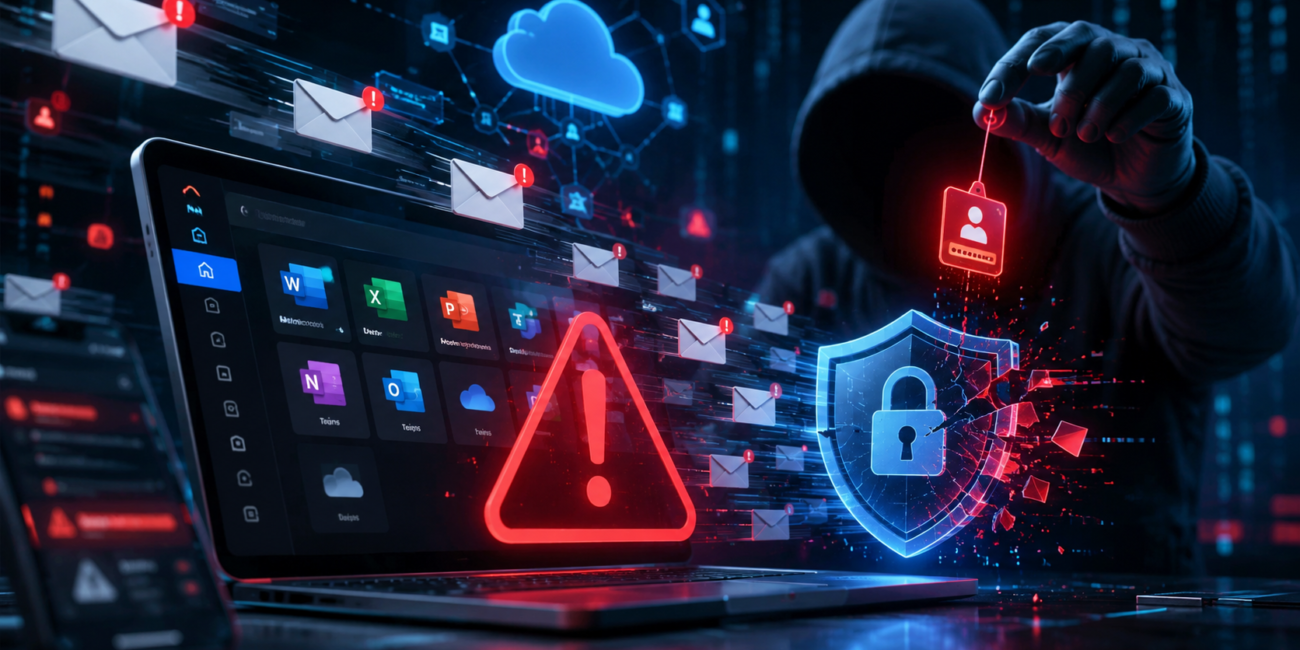
Cybersecurity experts and law enforcement agencies are warning organizations across the globe about a new phishing threat targeting Microsoft 365 users. The campaign, linked to a phishing-as-a-service platform known as Kali365, has drawn attention because of its ability to bypass traditional security measures, including multi-factor authentication (MFA), which is widely considered one of the strongest defenses against account compromise.
The warning comes as cybercriminals continue to evolve their tactics, leveraging legitimate authentication processes and cloud-based technologies to gain unauthorized access to user accounts. According to security researchers and federal authorities, the latest attack demonstrates how threat actors are increasingly moving beyond password theft and focusing on stealing authentication tokens that provide direct access to cloud services.
The emergence of Kali365 highlights a growing trend in cybercrime where sophisticated attack tools are being packaged and sold as subscription-based services, allowing even inexperienced hackers to launch highly effective phishing campaigns.
A New Generation of Phishing Attacks
Traditional phishing attacks typically rely on tricking users into revealing their usernames and passwords through fake login pages or deceptive emails. However, the latest Microsoft 365 phishing campaign takes a different approach.
Instead of attempting to steal passwords, attackers exploit Microsoft’s legitimate device code authentication process. This process was originally designed to help users sign in on devices that have limited input capabilities, such as smart televisions, streaming devices, gaming consoles, and Internet of Things (IoT) hardware.
Cybercriminals send convincing phishing emails that appear to come from trusted organizations or business contacts. These messages often contain urgent requests, invitations, meeting notifications, or account verification prompts designed to encourage immediate action.
Victims are instructed to visit a genuine Microsoft authentication page and enter a device code provided in the email. Because users are interacting with an authentic Microsoft website rather than a fake phishing page, the request appears trustworthy and raises fewer suspicions.
Once the victim enters the code and approves the authentication request, attackers gain access to authentication tokens that can be used to access Microsoft 365 services without requiring the victim’s password.
Why Multi-Factor Authentication Is Not Enough
One of the most concerning aspects of the Kali365 campaign is its ability to bypass multi-factor authentication protections.
Organizations have spent years encouraging employees to enable MFA because it significantly reduces the effectiveness of password-based attacks. In a typical scenario, even if a password is compromised, attackers would still need access to a secondary verification method such as a smartphone notification or security key.
However, token-based attacks operate differently. Since the victim willingly completes the authentication process on Microsoft’s legitimate platform, the attacker receives authorized access tokens directly from the authentication workflow.
As a result, the cybercriminal effectively inherits the user’s authenticated session without needing to steal passwords or bypass security controls through traditional means.
Security researchers note that this technique represents a growing challenge for organizations because users may believe they are following legitimate procedures while unknowingly granting access to malicious actors.
The Rise of Phishing-as-a-Service Platforms
Kali365 is part of a broader criminal business model known as phishing-as-a-service (PhaaS). These platforms provide ready-made infrastructure, phishing templates, automation tools, and technical support to cybercriminals for a monthly fee.
In the past, conducting sophisticated phishing operations required significant technical expertise. Attackers needed to build phishing websites, manage servers, develop malware, and create convincing email campaigns.
Today, phishing-as-a-service platforms have dramatically lowered the barrier to entry. Individuals with limited technical knowledge can purchase access to professional-grade attack kits and begin targeting victims within hours.
Security analysts believe that the accessibility of these services is contributing to a rapid increase in phishing incidents worldwide. The commercialization of cybercrime has effectively transformed hacking into a scalable business operation, enabling more threat actors to participate in attacks against businesses and individuals.
Artificial Intelligence Is Making Attacks More Convincing
Another factor increasing the effectiveness of modern phishing campaigns is the growing use of artificial intelligence.
Researchers report that some phishing platforms now incorporate AI-generated content capable of producing realistic emails, messages, and communication templates. These tools help attackers create personalized content that closely resembles legitimate business correspondence.
Unlike traditional phishing emails that often contained grammatical mistakes or suspicious wording, AI-generated messages can appear polished, professional, and highly convincing. This makes it more difficult for users to identify warning signs and increases the likelihood of successful attacks.
The combination of AI-powered social engineering and legitimate authentication workflows creates a particularly dangerous threat environment for organizations that rely heavily on cloud-based collaboration platforms.
What Attackers Can Access After Compromising Accounts
Once attackers gain access to a Microsoft 365 account, the consequences can be severe.
Compromised accounts may provide access to Outlook email communications, Microsoft Teams conversations, OneDrive files, SharePoint documents, calendars, and other connected services. This information can be used to steal sensitive business data, monitor internal communications, and launch additional attacks against colleagues, customers, or business partners.
Cybercriminals frequently use compromised email accounts to conduct Business Email Compromise (BEC) attacks, a form of fraud in which attackers impersonate trusted employees or executives to trick organizations into transferring funds or sharing confidential information.
In some cases, access to cloud services can also serve as a gateway to broader network intrusions, ransomware deployments, and long-term espionage operations.
For organizations that store valuable intellectual property, customer records, or financial data within Microsoft 365 environments, the risks associated with account compromise can be substantial.
Why Organizations Should Take the Threat Seriously
The FBI and cybersecurity experts emphasize that the latest phishing campaign is not simply another email scam. Instead, it represents a strategic shift toward exploiting legitimate authentication mechanisms rather than attacking passwords directly.
As businesses continue their transition to cloud-based infrastructure, authentication systems have become a primary target for cybercriminals. Attackers recognize that compromising user identities often provides easier access to sensitive resources than attempting to breach network defenses directly.
The widespread adoption of Microsoft 365 across government agencies, educational institutions, healthcare providers, and private-sector organizations further increases the potential impact of these attacks.
Given the popularity of Microsoft’s productivity ecosystem, a successful phishing campaign can potentially affect millions of users worldwide.
Security Recommendations for Businesses and Users
Cybersecurity professionals recommend that organizations review their authentication policies and closely monitor device code authentication activity. Businesses should evaluate whether device code flows are necessary within their environments and restrict their use when possible.
Security teams are also encouraged to implement phishing-resistant authentication methods, including hardware security keys and advanced identity protection solutions. Continuous monitoring of OAuth permissions and user consent activities can help identify suspicious behavior before significant damage occurs.
Employee education remains equally important. Users should be trained to recognize unexpected authentication requests and understand the risks associated with entering device codes provided through email messages or unsolicited communications.
Organizations that maintain strong security awareness programs are often better positioned to detect and prevent social engineering attacks before they succeed.
Conclusion
The emergence of Kali365 serves as a reminder that cyber threats continue to evolve alongside modern authentication technologies. By exploiting Microsoft’s legitimate device code authentication process, attackers have demonstrated a new method for gaining access to accounts without stealing passwords or breaking through traditional multi-factor authentication defenses.
As phishing-as-a-service platforms become more accessible and AI-generated content improves the quality of social engineering campaigns, organizations must adapt their security strategies accordingly. The latest FBI warning underscores the importance of vigilance, user education, and advanced identity protection measures in an increasingly complex cybersecurity landscape.
For Microsoft 365 users and organizations worldwide, understanding how these attacks operate may be the first step toward preventing potentially devastating security breaches.