




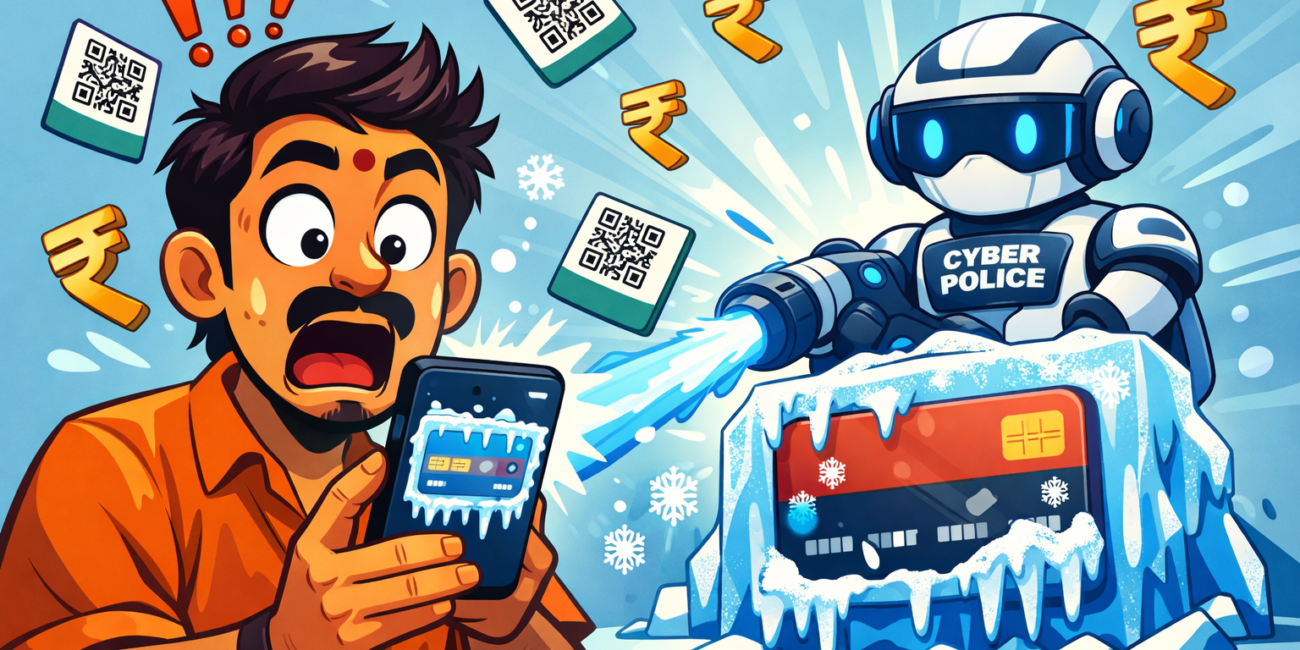
Cybercrime Crackdowns and the Rise of Sudden Bank Account Freezes in India
Introduction
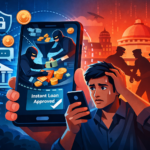
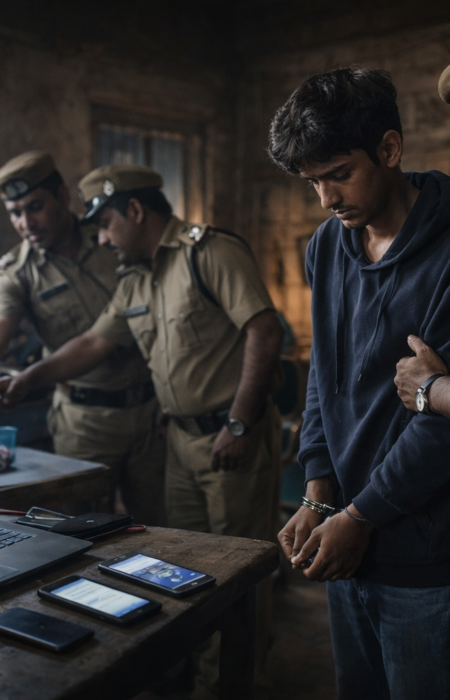
India’s aggressive push to combat digital fraud has led to an unintended consequence: ordinary bank users finding their accounts suddenly frozen. As cybercrime units trace fraudulent money trails across multiple accounts, individuals who unknowingly receive or transfer funds linked to suspicious activity are being pulled into investigations. The result is a growing number of people facing debit freezes, financial disruptions, and legal uncertainty despite having no direct involvement in scams.
How the Freeze Happens
When a cyber fraud is reported, investigators begin tracing the flow of money from the victim’s account. This money often passes through multiple intermediary accounts before reaching the final destination. Each account in this chain becomes part of the investigation. If an individual’s account appears anywhere in the trail, banks may place a debit freeze to prevent further movement of funds. In many cases, this action is taken before the account holder is contacted or given an opportunity to explain.
These freezes typically block outgoing transactions while allowing deposits to continue. This creates a difficult situation where salaries, refunds, or transfers may still arrive, but the account holder cannot use the funds for daily expenses, loan payments, or emergencies.
Impact on Ordinary Citizens
The consequences of such freezes can be severe. People suddenly lose access to their savings, leading to missed EMI payments, bounced cheques, and disrupted household finances. Some individuals discover the freeze only when transactions fail at shops or ATMs. Others learn about it after banks inform them that the restriction was placed following a request from a cybercrime unit in another state.
The situation becomes more complicated when linked accounts are affected. Transfers between family members, such as spouses, may cause additional accounts to be flagged. This expands the scope of the freeze and increases the stress for households that rely on shared finances.
Layered Suspects and Transaction Chains
Investigators often categorize accounts based on their distance from the original fraud. These are sometimes referred to as layers in the money trail. An account several steps removed from the scam may still be treated as suspicious because it handled funds that originated from the fraudulent transaction. This means someone who simply received money from a friend or made a routine transfer can become part of the chain without any knowledge of wrongdoing.
Because cybercriminals frequently route money through multiple accounts, innocent users may unknowingly become intermediaries. This has increased the number of people affected by debit freezes, particularly those who frequently use UPI, QR payments, or peer-to-peer transfers.
Challenges in Resolving the Freeze
Once an account is frozen, resolving the issue can be difficult. Account holders are often asked to contact the investigating police station, which may be located in a different state. Communication delays, documentation requests, and jurisdictional confusion can prolong the process. In many cases, individuals must provide bank statements, identity proof, and explanations for transactions before authorities consider lifting restrictions.
There is also no uniform timeline for resolution. Some freezes are removed within days, while others continue for weeks or months. During this period, individuals must rely on alternative accounts, borrow money, or delay financial commitments.
Concerns Raised by Experts
Cybersecurity professionals and financial experts have raised concerns about the broad use of full account freezes. They argue that only the suspicious amount should be held rather than blocking all funds. This would allow individuals to continue using legitimate money while the investigation proceeds. Experts have also suggested centralized coordination between states and the use of remote verification methods to reduce the burden on account holders.
The lack of transparency is another issue. Many people receive limited information about why their account was frozen or how long the restriction will last. Clearer communication from banks and law enforcement could reduce confusion and panic.
What This Means for Digital Payment Users
The rise in debit freezes highlights the risks associated with everyday digital transactions. Accepting money from unknown sources, routing payments for others, or transferring funds without verifying the sender can unintentionally connect users to fraudulent chains. As digital payments continue to grow, awareness of these risks becomes increasingly important.
Conclusion
The crackdown on cybercrime is necessary to protect victims and prevent financial fraud. However, the current approach has created challenges for innocent users caught in transaction trails. Sudden debit freezes, lack of clarity, and lengthy resolution processes have made this a growing concern across India. A balanced system that targets suspicious funds without disrupting legitimate banking activity would help ensure both strong fraud prevention and fairness for everyday users.