





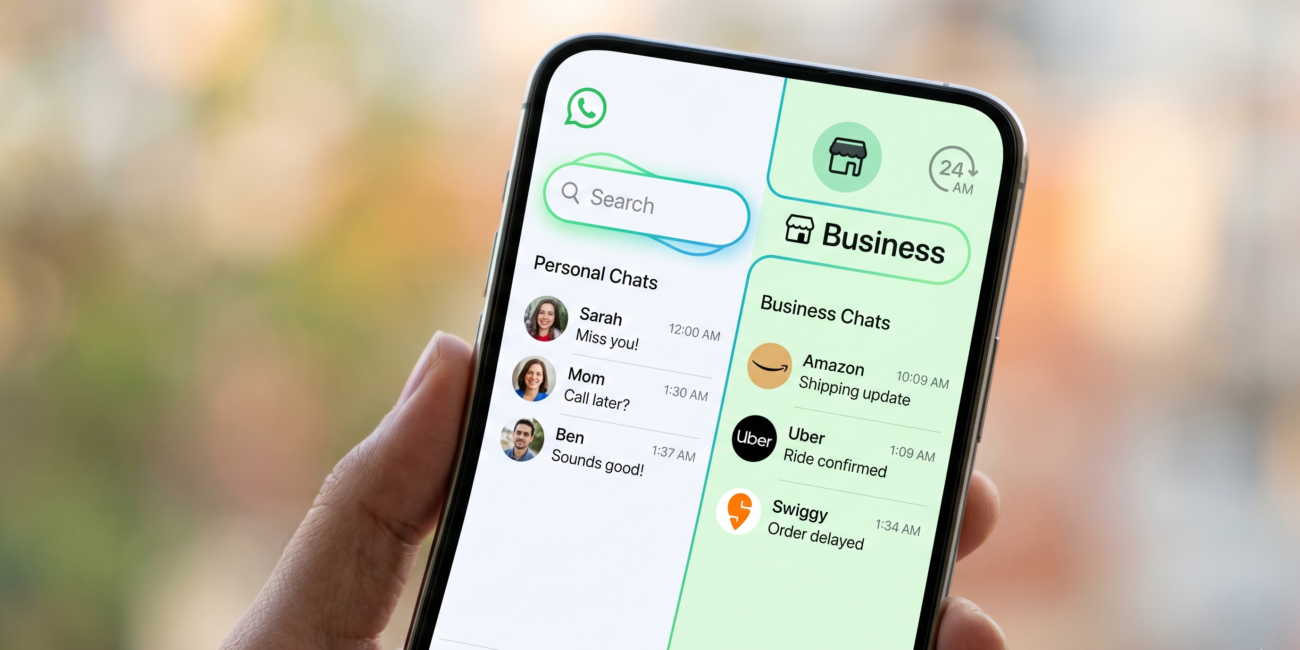
WhatsApp Revolutionizing Inbox Management: The New Business Chat Filtering System
The digital communication landscape is undergoing a significant transformation as WhatsApp, the world’s most popular messaging platform, prepares to tackle one of its users’ most persistent grievances: inbox clutter. As the platform has evolved from a simple person-to-person messaging tool into a massive commercial ecosystem, the line between personal connections and professional interactions has blurred. Users frequently find their primary chat lists dominated by automated notifications, promotional offers, and customer service threads. To address this, WhatsApp is reportedly developing a sophisticated automatic filtering system for business chats, a move that promises to restore the “personal” feel of the application while streamlining how users engage with brands.
The Problem of Digital Overload in Modern Messaging
For the average smartphone user, the WhatsApp inbox has become a central hub for nearly every aspect of daily life. However, the sheer volume of messages from verified business accounts—ranging from airline boarding passes to marketing spam—has led to a phenomenon known as notification fatigue. When a message from a family member is buried under five promotional alerts from retail brands, the utility of the app as a real-time communication tool begins to diminish. The upcoming filtering feature represents Meta’s acknowledgment that the current “one-size-fits-all” inbox is no longer sustainable for a platform that hosts over two billion users.
The proposed solution, as discovered in early beta builds for Android, involves a dynamic organizational shift. Rather than requiring users to manually archive or delete business threads, the system will take a proactive approach. By identifying metadata associated with official WhatsApp Business accounts, the application will be able to distinguish between a message from a friend and a message from a corporation. This distinction is the foundation of the new “tidier chat list” philosophy that WhatsApp is currently perfecting behind the scenes.
The Mechanics of the 24-Hour Automatic Migration
One of the most innovative aspects of this new feature is the timing of its automation. Early reports indicate that WhatsApp will implement a “24-hour rule” for business interactions. Under this system, when a user receives a message from a business, it may initially appear in the main chat list to ensure it receives immediate attention—useful for time-sensitive alerts like delivery updates or security codes. However, once a 24-hour window has passed without further interaction, the app will automatically migrate that thread into a dedicated “Business” section or sub-folder.
This delayed migration is a strategic choice. It recognizes that business messages often have a very short “half-life” of relevance. A coupon for a weekend sale or a notification about a completed transaction is vital information at the moment of receipt, but it becomes digital clutter just a day later. By automating the cleanup process, WhatsApp is effectively hiring a digital assistant for every user, ensuring that the primary interface remains reserved for ongoing, meaningful conversations without requiring constant manual maintenance.
Enhancing User Privacy and Reducing Commercial Spam
Beyond mere organization, the new filtering system serves as a powerful tool for privacy and spam mitigation. By segregating business chats, WhatsApp provides users with a psychological “buffer zone.” When business messages are siloed, they lose the ability to compete for the same level of mental urgency as personal messages. This change is expected to significantly reduce the intrusiveness of marketing campaigns. If a user knows that promotional content will be tucked away in a secondary folder after a day, the pressure to constantly monitor and clear notifications is greatly reduced.
Furthermore, this structural change aligns with WhatsApp’s broader efforts to improve user safety. By creating a specific environment for business interactions, the platform can more easily implement specialized reporting and blocking tools. If a business account begins to exhibit spam-like behavior, its presence within a filtered section makes it easier for the system to flag and for the user to ignore. It creates a clearer boundary in the digital world, mirroring how many users already separate their personal and professional email accounts.
The Impact on the Business Ecosystem
While the feature is primarily designed for the benefit of the end-user, it also carries significant implications for the businesses that use WhatsApp as a primary communication channel. Brands will now face a higher bar for engagement. Knowing that their messages will be filtered out of the main view after 24 hours, businesses will likely shift their strategies toward higher-quality, more relevant content. The “24-hour window” essentially creates a premium space for attention; if a business cannot provide value within that timeframe, they risk being moved to the secondary list where open rates are naturally lower.
This could lead to a more respectful commercial environment. Instead of carpet-bombing users with frequent notifications, smart brands will likely use the platform for more targeted, transactional communication. The filter rewards businesses that provide timely information—such as customer support or appointment reminders—while gently pushing lower-priority marketing fluff to the periphery. In the long run, this could actually improve the reputation of WhatsApp Business, as users will feel less “hunted” by brands and more in control of their own digital space.
Integration with Other Modern WhatsApp Features
The business chat filter does not exist in a vacuum; it is part of a massive wave of updates aimed at modernizing the aging architecture of the app. The article highlights that this development is coinciding with other major projects, such as the introduction of unique usernames. The transition toward usernames is a fundamental shift in privacy, allowing users to communicate without sharing their private phone numbers. When combined with the business filter, the result is a much more secure and organized ecosystem. A user could, for example, share a username with a business for a specific transaction, knowing that their phone number remains private and the resulting chat thread will be automatically organized away from their family chats within a day.
Additionally, the rollout of noise cancellation for voice and video calls and the new dedicated CarPlay interface suggest that Meta is looking at the “total user experience.” Whether a user is driving, working in a noisy environment, or trying to navigate a crowded inbox, the goal of these updates is to reduce friction. The business filter is the final piece of the puzzle for the “home screen” of the app, ensuring that the first thing a user sees is what matters most to them.
Looking Toward the Future of Android Messaging
As the feature continues its journey through the development and beta testing phases, tech enthusiasts are watching closely to see how the final implementation will look. Early screenshots suggest a minimalist toggle or a dedicated tab at the top of the chat list, similar to how “Archived” chats are currently handled but with much smarter automation. The move toward “Parent-managed accounts” and “WhatsApp Plus” rumors also indicate that the platform is becoming more segmented, catering to specific demographics like families or power users who want deep customization.
In conclusion, the automatic business chat filtering feature is a landmark update for WhatsApp. It represents a shift away from the chaotic, unorganized feed of the past and toward an intelligent, AI-assisted future. By respecting the user’s time and attention through the 24-hour migration rule, WhatsApp is reinforcing its position as a personal messaging app first and a commercial platform second. As digital noise continues to grow globally, these types of structural innovations will be essential in keeping users engaged and satisfied. While we wait for the official public rollout, the promise of a “tidier chat list” offers a glimpse into a more organized and stress-free digital future for millions of Android users.