





WhatsApp Revolutionizes Inbox Management: New Automated Business Filtering to Combat Spam
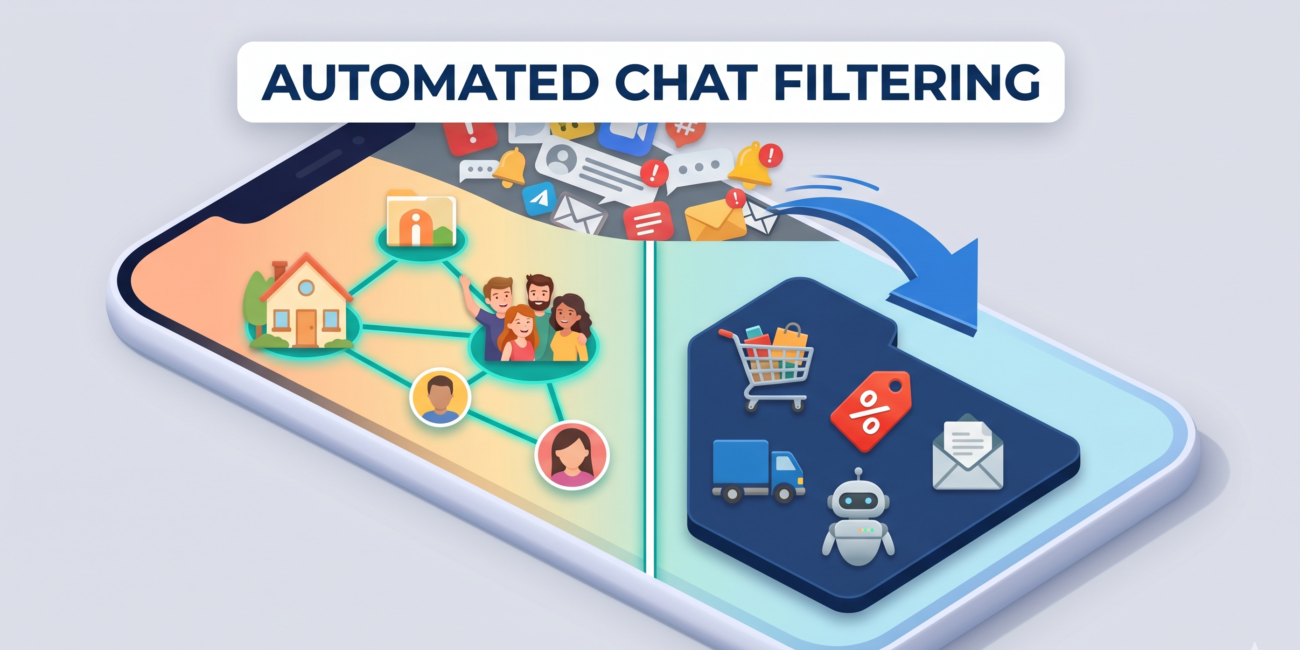
The digital communication landscape is on the verge of a major transformation as WhatsApp, the world’s most popular messaging platform, prepares to roll out a sophisticated new filtering system aimed at reclaiming the clarity of the personal inbox. For years, the line between private conversations and commercial outreach has blurred, leading to what many users describe as “notification fatigue.” As businesses increasingly turn to WhatsApp as their primary channel for marketing, order updates, and promotional offers, the main chat interface has become increasingly cluttered. In response to growing user frustration over this digital noise, Meta is developing an automated organization feature that will systematically move business-related communications into a dedicated space, effectively isolating commercial spam from the personal threads that matter most.
The End of the Cluttered Inbox
The core of this upcoming update lies in its ability to intelligently distinguish between a user’s social circle and the various business entities they interact with daily. According to reports, the new system will target accounts that utilize cloud-based automation to send high volumes of messages. This is a critical distinction, as it ensures that small, local businesses communicating manually are not unfairly penalized, while large-scale marketing engines are kept in check. By identifying and segregating these automated threads, WhatsApp is attempting to restore the original purpose of the app: a fast, reliable, and private way to talk to friends and family. This move is not just a UI change; it is a fundamental shift in how the platform balances its dual identity as a personal messenger and a global business hub.
The Mechanics of Automated Organization
While the feature is still in its developmental phase, early insights suggest a highly proactive approach to organization. The system is expected to implement a “24-hour rule” for commercial interactions. Once a marketing message or an automated update is received, it will remain in the primary view for a limited window before being automatically transitioned to the new business section. This ensures that time-sensitive information, such as an OTP or a delivery notification, is seen immediately, but it prevents the “ghosting” of the inbox where old promotional banners linger at the top of the chat list for days. This automated housekeeping ensures that the user’s primary workspace remains dynamic and focused on active personal dialogues.
Empowering Users Against Marketing Fatigue
Marketing fatigue is a real phenomenon in the age of instant connectivity, and WhatsApp has become a primary source of it due to high open rates. Businesses have found that users are much more likely to read a WhatsApp message than an email, leading to an explosion in the frequency of “deal alerts” and “seasonal offers.” For the average user, the constant ping of notifications can become overwhelming. The new filtering system addresses this by providing a layer of friction between the business and the user’s immediate attention. By moving these chats to a secondary tab or a filtered list, WhatsApp gives users the agency to engage with commercial content on their own terms and their own time, rather than being interrupted by a promotional push during their personal hours.
A Strategic Move for the Business Ecosystem
While it might seem that this feature is detrimental to businesses, it actually has the potential to improve the quality of brand-to-consumer interactions. In the current “noisy” environment, many users resort to blocking business accounts entirely or muting notifications, which kills the channel for the brand. By providing a dedicated space for these messages, WhatsApp creates a digital “promotions folder” similar to what exists in modern email clients. When a user enters the business section, they are in a mindset to shop, browse, or check status updates. This higher intent means that the messages they do see are less likely to be viewed as an annoyance and more likely to result in meaningful engagement. It encourages brands to be more strategic and less intrusive with their messaging strategies.
Beyond Filtering: The Privacy and Utility Roadmap
This filtering update is part of a broader suite of features designed to enhance user privacy and communication quality in 2026. Alongside the business organizer, WhatsApp is refining a new username-based connection system. This feature will allow users to initiate chats without ever needing to share their personal phone numbers, providing a massive boost to privacy, especially when dealing with online sellers or service providers. Furthermore, the platform is integrating advanced noise cancellation for voice and video calls. Using on-device AI, this technology will filter out background sounds like traffic or wind, ensuring that the voice remains the focus. Combined with the new chat filters, these updates represent a holistic effort to make the WhatsApp experience more professional, private, and streamlined.
Implications for the Future of Digital Communication
The introduction of business filtering marks a significant moment in the evolution of “super-apps.” As platforms grow and incorporate more services, the risk of losing the core user experience increases. WhatsApp’s decision to prioritize the personal inbox suggests that Meta is wary of the platform becoming a graveyard for unread marketing messages. This move sets a precedent for other messaging services that are struggling with similar spam issues. It acknowledges that as our digital lives become more complex, the tools we use must become smarter at managing that complexity for us. The automated nature of this feature is particularly noteworthy, as it removes the burden of manual organization from the user, relying instead on intelligent backend categorization.
Preparing for the Global Rollout
Although the feature has been spotted in developmental builds, its official release is expected to be phased across different regions and operating systems. Android users are likely to see the beta version first, followed by a global rollout to iOS users shortly after. For users in high-density markets like India, where WhatsApp is the primary infrastructure for everything from banking to grocery shopping, this feature will be life-changing. It will significantly reduce the friction of daily mobile usage and ensure that a message from a family member isn’t buried under five different promotional banners for a weekend sale. As we move further into 2026, the focus for communication apps is clearly shifting from “more features” to “better management,” and this update is the strongest evidence yet of that trend.
Conclusion
The upcoming business chat filtering feature is a bold and necessary step for WhatsApp. By recognizing the different weights of a personal message versus a commercial one, the platform is protecting its most valuable asset: the user’s attention. This update promises to deliver a cleaner, more focused experience that respects the boundaries of personal space while still allowing the business ecosystem to thrive in its own lane. For creators, entrepreneurs, and everyday users, the result is a more organized digital world where the noise is silenced and the important conversations are given the room they deserve to breathe. As WhatsApp continues to evolve, this commitment to user-centric design will likely be the key factor in maintaining its dominance in the global messaging market.